 Klemio
Things to do in Tokyo
Tokyo runs on contrast. Centuries old temples sit a short train ride from neon shopping streets, and a quiet shrine forest hides minutes from one of the world's busiest pedestrian crossings. With clean, frequent trains, you can cover a lot in a day without ever needing a car.

The essential things to do in Tokyo
-
Walk through the Kaminarimon gate and down Nakamise shopping street to Tokyo's oldest temple. The grounds are free and stay open after dark, when the buildings are lit and the crowds thin out.
-
2. Shibuya Crossing.
Cross the famous scramble alongside hundreds of people, then watch it again from above. The Hachiko dog statue sits by the station, and the Shibuya Sky deck looks straight down on the intersection.
-
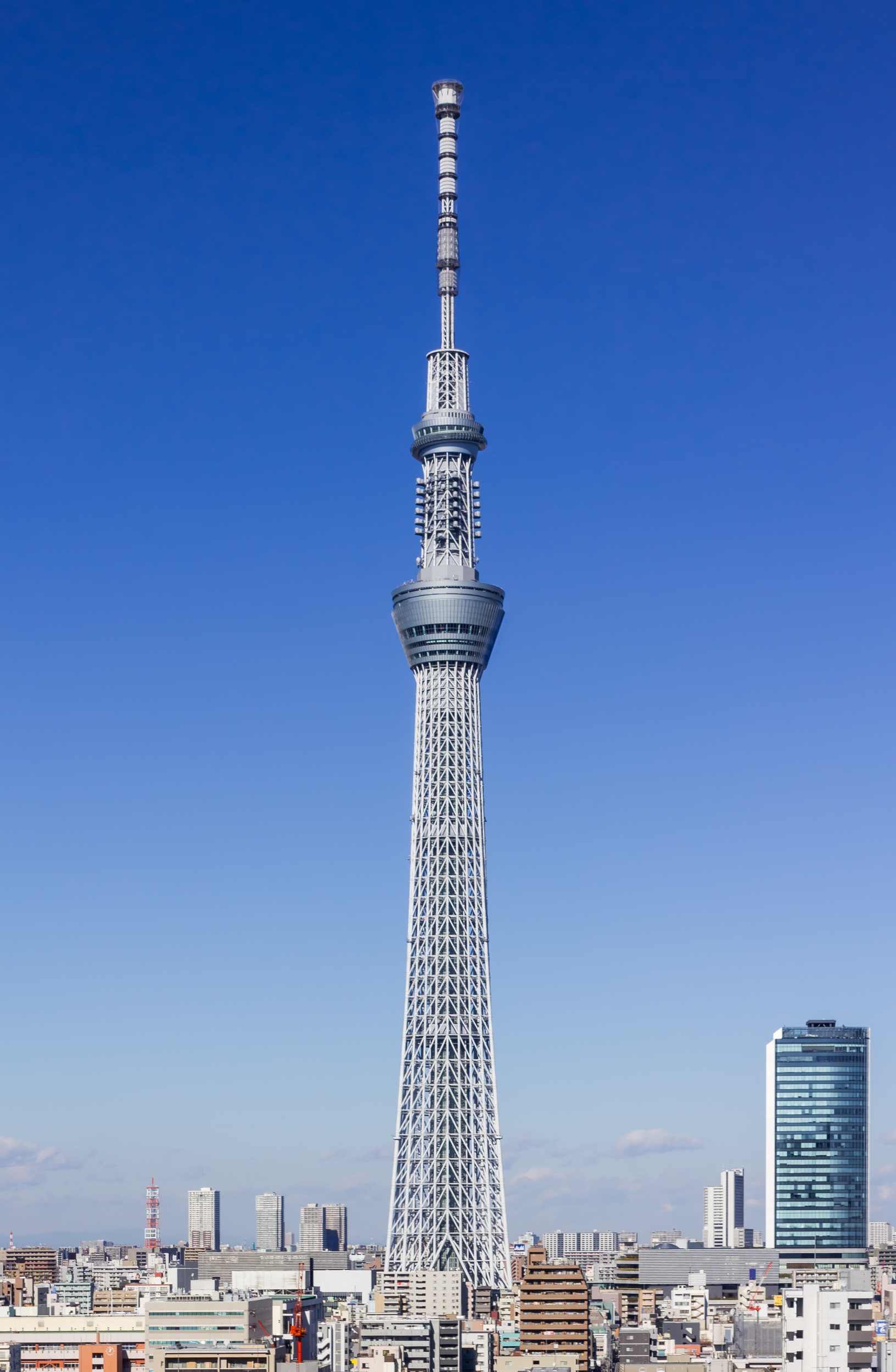
3. Tokyo Skytree.
Ride to the observation decks of this 634 meter broadcasting tower for views across the whole city. Tickets are timed, so book a slot in advance and aim for sunset if the sky is clear.
-
Pass under tall wooden gates into a forest planted around this Shinto shrine. The grounds are free, and Harajuku's Takeshita Street with its crepe stands and shops sits right outside the entrance.
-
Eat your way through stalls selling grilled seafood, tamagoyaki, and knives. Go in the morning when everything is open and fresh. The wholesale market left in 2018, but this outer lane stayed put.
-
6. teamLab digital art.
Step into rooms of projected light, mirrors, and water at teamLab Planets or Borderless. Tickets are timed and often sell out days ahead, so buy yours before you arrive in the city.
-
7. Day trip to Hakone or Mount Fuji.
Trade the city for hot springs, lake views, and Mount Fuji on a clear day. Hakone is reachable by train from Shinjuku in around 90 minutes, with a loop of cable cars and boats.
Landmark guides for Tokyo




Plan your trip to Tokyo
Thumbnail photos by Akonnchiroll (CC0), David Kernan (CC BY 4.0), Kakidai (CC BY-SA 3.0), Akonnchiroll (CC BY-SA 4.0), Kakidai (CC BY-SA 4.0), Sakura Torch (CC BY-SA 4.0), Syced (CC0), Kakidai (CC BY-SA 4.0), Bernard Gagnon (CC BY-SA 3.0), urbz (CC BY 2.0), Nesnad (CC BY 4.0), via Wikimedia Commons.
Why visit Tokyo
Tokyo rewards curiosity. The city is huge, but it breaks down into distinct neighborhoods, each with its own character, and you can spend a full day in just one and never run out of things to look at. A morning at a temple, an afternoon in a department store food hall, and a late night in a tiny bar all fit into the same trip without feeling forced.
The food alone justifies a visit. You will find everything from standing sushi counters and ramen shops the size of a closet to multi course meals booked weeks ahead. Prices stretch across the whole range, so a memorable meal does not have to be expensive. Convenience store food here is genuinely good, which surprises most first time visitors.
What ties it all together is how easy the city is to move around. Trains are clean, punctual, and signed in English on the major lines, and almost everything you want to see sits a short walk from a station. That reliability lets you plan ambitious days and actually pull them off.
When to visit
Spring and autumn are the most comfortable seasons. Late March into early April brings cherry blossoms, though the exact bloom shifts each year and parks get busy. Late October into November brings cool air and changing leaves. Both periods have mild temperatures and lower rainfall than summer, which makes long walking days far more pleasant.
Summer, roughly June through August, is hot and humid, and a rainy stretch usually lands in June. If you come then, plan indoor stops like museums, aquariums, and food halls for the hottest hours, and carry water. Winter is cold but often clear and dry, and clear days give the best odds of seeing Mount Fuji from observation decks.
Watch the calendar for Golden Week in late April and early May, the Obon period in mid August, and the New Year holidays. Trains and popular sites fill up, prices rise, and some smaller shops close. Traveling just before or after these windows usually means thinner crowds and better availability.
Getting around
The train and subway network is the backbone of any Tokyo trip. JR runs the Yamanote loop line that connects major hubs like Shibuya, Shinjuku, Ueno, and Tokyo Station, while Tokyo Metro and Toei run the subway lines that fill in everything between. Most sights you will care about sit within a few minutes of a station on one of these systems.
Get a rechargeable IC card such as Suica or Pasmo, or add a mobile version to a compatible smartphone, and tap in and out at the gates. It works across JR, Metro, Toei, buses, and convenience stores, so you avoid buying individual tickets. For most visitors staying in the central wards, a transit pass aimed at tourists is not worth it, since pay as you go fares are modest. The nationwide JR Pass covers JR lines, including the Narita Express and the Tokyo Monorail, but not the Tokyo Metro, Toei, or the private railways, so it mainly pays off when you add long-distance shinkansen trips. From the airports, the Narita Express or the Keisei Skyliner run from Narita into the center, and the Keikyu line or the Tokyo Monorail from Haneda.
Taxis are clean and reliable but expensive, and useful mainly late at night after the trains stop, which is usually around midnight to 1am. Walking is underrated here. Neighborhoods are dense and full of small streets, so once you reach an area, the best approach is often to put the map away and wander the side lanes.
What to do, by type of trip
First time visitors should hit the landmarks that define the city: Senso-ji in Asakusa, the Shibuya scramble, Meiji Shrine by Harajuku, and a tower view from Skytree or Shibuya Sky. These give you a feel for the range of Tokyo, from old temples to modern crowds, and they are all easy to reach by train.
Food focused travelers can build whole days around eating. Start at Tsukiji Outer Market in the morning, graze through a department store basement food hall in the afternoon, and end at a ramen counter or an izakaya at night. Booking a guided food walk for one evening is a good way to find places you would otherwise miss.
Families do well with hands on attractions. The teamLab digital art venues are a hit with kids and adults alike, the aquariums and the Ueno Zoo work for younger children, and the large parks give everyone room to run. Theme parks sit a short train ride outside the center if you want a full day out.
Culture seekers can fill a trip with shrines, gardens, and museums. Beyond Meiji Shrine, the Imperial Palace gardens, the Nezu Museum, and the cluster of national museums in Ueno reward slower visits. Catching a sumo practice session or a grand tournament, when one is on, adds a tradition you cannot see most other places.
If you want a break from the city, day trips are straightforward. Hakone offers hot springs and Mount Fuji views in a loop of trains, cable cars, and a lake boat, while Nikko has ornate shrines set among cedar forest and waterfalls. Both are doable in a single long day from a central station.
How to plan your days
Group your days by area to cut down on backtracking. One workable first day pairs Asakusa and Senso-ji in the morning with Tokyo Skytree in the afternoon, since the two sit close together on the east side. Book the Skytree slot for late afternoon so you catch the city in daylight and again after the lights come on.
A second day can run through the west side: start at Meiji Shrine when it opens and the paths are quiet, walk through Harajuku and Omotesando, then end at Shibuya for the crossing and a deck view at dusk. This keeps you on or near the Yamanote line, so transfers stay simple.
Leave at least one day loose. Tokyo is the kind of place where a planned route gets derailed by a side street, a shop, or a long lunch, and that is part of the appeal. If you have four or more days, slot a day trip to Hakone or Nikko in the middle to break up the urban pace.
Booking tips and common mistakes
Book timed entry attractions ahead of time. Skytree, the Shibuya Sky deck, and the teamLab venues all run on slots that sell out, sometimes days in advance during busy seasons, so locking these in before your trip saves you from a wasted detour. Shrines and markets need no ticket, so save your planning energy for the places that do.
The most common mistake is cramming too much into one day across opposite ends of the city. Tokyo is larger than it looks on a map, and long transfers eat your time and energy. Pick two or three nearby stops per day, check closing days before you go (Tsukiji shops are quiet on Sundays and some Wednesdays, and many museums shut on Mondays), and build in slack for meals and detours.
Where to stay and explore: Tokyo's neighborhoods
- Shinjuku
- A major hub built around one of the world's busiest stations. You get skyscrapers and free observation decks on the west side, the tight bars of Golden Gai and the nightlife of Kabukicho on the east, and the calm of Shinjuku Gyoen park nearby.
- Shibuya
- Young, loud, and centered on the scramble crossing outside the station. This is where you find big fashion stores, the Hachiko statue, the Shibuya Sky deck, and a dense run of restaurants and bars packed into the surrounding streets.
- Asakusa
- The old town feel of Tokyo, anchored by Senso-ji temple and the Nakamise shopping street that leads to it. Streets here keep a low rise, retro character, with rickshaws, traditional snacks, and craft shops between the temple and the river.
- Ginza
- Tokyo's polished shopping and dining district, full of department stores, flagship boutiques, and high end restaurants. On weekend afternoons the main avenue closes to cars and becomes a wide pedestrian street, which is the easiest time to stroll it.
- Harajuku and Omotesando
- Two sides of the same area. Harajuku's Takeshita Street is narrow, colorful, and aimed at teenagers, while the tree lined Omotesando avenue nearby runs past architect designed flagship stores and quieter cafes. Meiji Shrine sits right next to the station.
- Akihabara
- The center of anime, manga, gaming, and electronics, stacked into multi floor shops and arcades. Even if you are not a fan, the energy and the themed cafes are worth a wander. It sits on the Yamanote line, so it is easy to reach.
- Ueno
- Built around a large park that holds several national museums, a zoo, and a pond. The nearby Ameyoko market street is a busy run of food and discount stalls under the train tracks, and the area is a short hop from Asakusa.
Things to do in Tokyo: FAQs
Three full days cover the main landmarks at a reasonable pace. Four or five let you add a day trip and explore neighborhoods more slowly. With only two days, focus on one side of the city per day to avoid long transfers.
No. Major train lines, signs, and many menus include English, and staff at tourist sites are used to visitors. A translation app helps at smaller shops and restaurants, but you can get around the central areas without speaking the language.
It can be, but it does not have to be. Trains are affordable, and you can eat very well at ramen shops, standing counters, and food halls for modest prices. Hotels and high end dining are where costs climb, so plan those to fit your budget.
Use a rechargeable IC card like Suica or Pasmo, or add a mobile version to a compatible smartphone, then tap in and out at the gates. It works across JR, Metro, Toei, and buses, so you skip buying individual tickets for each ride.
Tokyo Skytree, the Shibuya Sky observation deck, and the teamLab digital art venues all run on timed slots that can sell out. Book these ahead. Temples, shrines, and markets are free to enter and need no reservation.
Yes. Hakone offers hot springs and Mount Fuji views about 90 minutes from Shinjuku, and Nikko has ornate shrines and waterfalls within a couple of hours. Both work as a single long day using regular trains from a central station.
Explore more destinations
- Things to do in Vienna Austria
- Things to do in Prague Czech Republic
- Things to do in London England
- Things to do in Paris France
- Things to do in Berlin Germany
- Things to do in Athens Greece
- Things to do in Naxos Greece
- Things to do in Budapest Hungary
- Things to do in Dublin Ireland
- Things to do in Florence Italy
- Things to do in Rome Italy
- Things to do in Venice Italy
- Things to do in Amsterdam Netherlands
- Things to do in Lisbon Portugal
- Things to do in Porto Portugal
- Things to do in Barcelona Spain
- Things to do in Madrid Spain
- Things to do in Dubai United Arab Emirates
- Things to do in Las Vegas USA
- Things to do in New York City USA
Where to next?
One short email, twice a month: handpicked experiences, hidden-gem cities, and the best windows to book them.