 Klemio
Things to do in Lisbon
Lisbon is a city of hills, river light and tiled facades, where century-old trams climb past viewpoints and the smell of grilled sardines drifts out of the old quarters. This guide covers when to go, how to get around, the neighborhoods worth your time, and the day trips that justify an extra night.

The essential things to do in Lisbon
-
1. Ride historic Tram 28.
The yellow tram rattles through Alfama, Graca and Estrela, linking many old-town highlights in one scenic loop.
-
2. Explore Alfama and Sao Jorge Castle.
Climb to the hilltop castle, then wander the tangled lanes and fado bars of the city's oldest quarter.
-
3. Watch the sunset from a miradouro.
Viewpoints like Senhora do Monte and Santa Catarina are Lisbon's open-air living rooms at golden hour.
-
4. See the monuments of Belem.
The Jeronimos Monastery and riverside Belem Tower recall Portugal's age of exploration, with the original pasteis de nata next door.
-
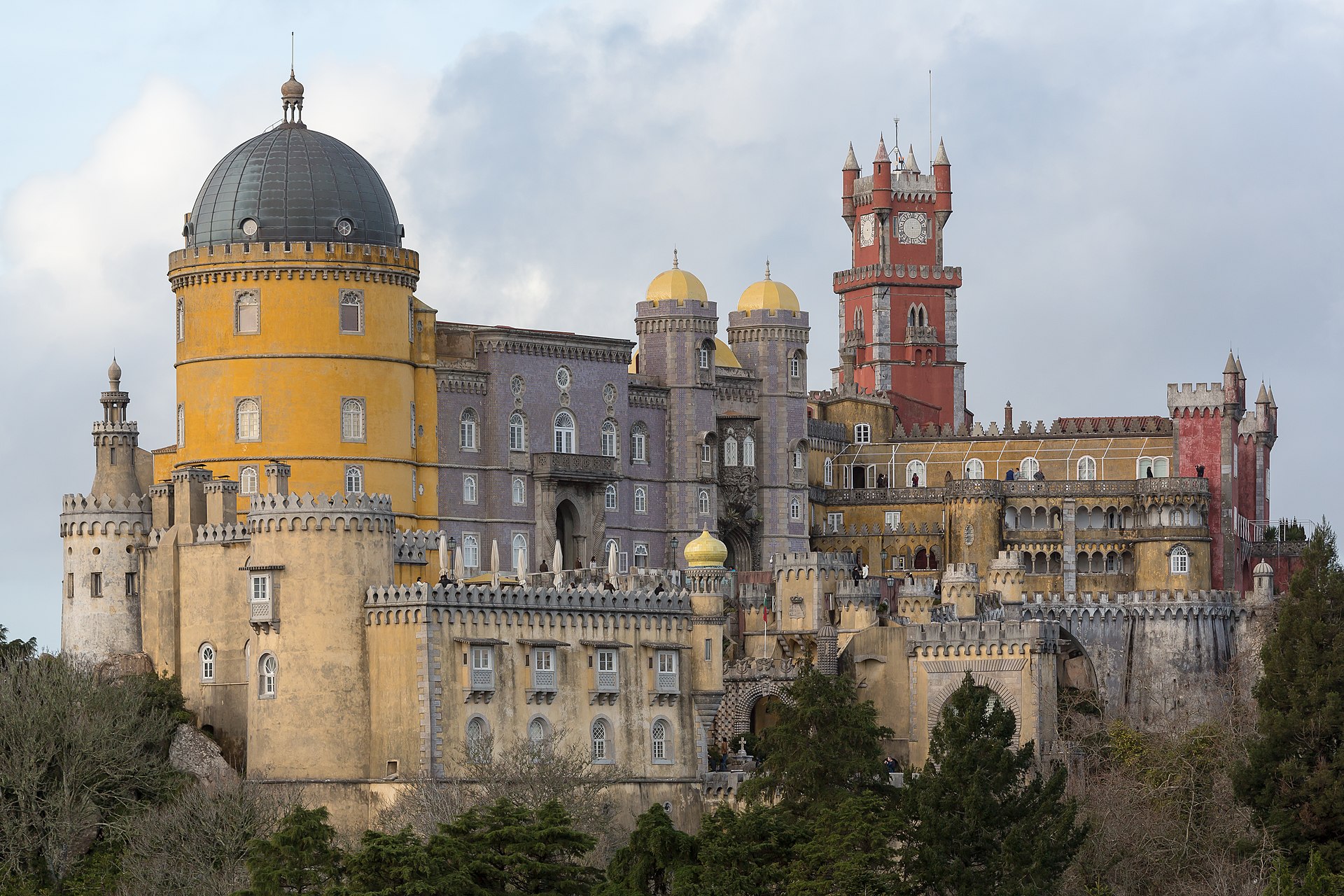
The hilltop Pena Palace and the gardens of Quinta da Regaleira are a short train ride from the center.
-
6. Hear live fado.
Portugal's soulful music is best over dinner in a small fado house in Alfama or Mouraria.
-
7. Graze the Time Out Market.
Many of the city's respected kitchens gather under one roof at this riverside food hall.
Landmark guides for Lisbon




Plan your trip to Lisbon
Thumbnail photos by Heartshade (CC BY 4.0), Singa Hitam (CC BY 2.0), Alvesgaspar (CC BY-SA 3.0), fulviusbsas (CC BY-SA 3.0), Arne Müseler (CC BY-SA 3.0 de), CEphoto, Uwe Aranas (CC BY-SA 3.0), Diego Delso (CC BY-SA 4.0), Alvesgaspar (CC BY-SA 3.0), Drew Tarvin from New York, United States (CC BY 2.0), Vitor Oliveira from Torres Vedras, PORTUGAL (CC BY-SA 2.0), Paul Arps from The Netherlands (CC BY 2.0), TJ DeGroat from San Francisco, CA, Los estados unidos (CC BY 2.0), via Wikimedia Commons.
Why visit Lisbon
Lisbon is built across a cluster of hills above the river Tagus, and that geography shapes everything about a visit: the steep cobbled streets, the yellow funiculars hauling people up the slopes, and the miradouros (viewpoints) that locals treat as outdoor living rooms. It is one of the sunniest capitals in Europe, walkable in stretches and unapologetically steep in others, and compact enough that you can feel the heart of it in a long weekend.
It is also a city that rewards slowing down. The pleasure here is less about racing between monuments and more about the texture of a day: a custard tart and an espresso taken standing at a counter, an aimless afternoon in Alfama, a glass of wine at a viewpoint as the light goes gold, and a fado performance once it is dark. The smart move is to pick two or three anchor sights a day and leave the rest of the time loose.
Prices are gentle by Western European standards, the food is excellent and unfussy, and almost everyone in the tourist trade speaks English. None of that has stayed secret, so the center can feel crowded in peak months, which is the main argument for timing your visit well and starting early.
When to visit
Spring (March to May) and early fall (September to October) are the clear sweet spots: warm days, cooler evenings, long hours of light, and far thinner crowds than high summer. This is also the best window for the day trips to Sintra and the coast, when the gardens are green and the lines are shorter.
July and August are hot and busy, and the most popular sights and viewpoints fill up fast. If you come in summer, do the outdoor things early or late and save the middle of the day for a long lunch, a museum, or the river. Winter is mild, quiet and often bright, with the occasional rainy spell. It is the cheapest time to visit and the museums are at their calmest, though some coastal day-trip spots feel sleepy.
For atmosphere, aim for mid-June and the Festas de Lisboa around Santo Antonio, when Alfama and the old quarters fill with grilled sardines, paper streamers and street parties. It is loud, packed and a lot of fun, but accommodation books out well ahead. If you would rather avoid the heaviest crowds entirely, late September and early October give you summer warmth without the August squeeze.
Getting around
Central Lisbon is best on foot, with one caveat: the hills are real. Wear shoes with grip, because the traditional pavement (calcada) is slick when wet, and lean on the historic funiculars (Bica, Gloria and Lavra) and the Santa Justa lift to spare your legs on the steepest climbs.
The metro is clean, cheap and the fastest way to cover distance, and it runs straight from the airport into the center. Trams fill the gaps the metro does not reach. The famous Tram 28 threads through Alfama and Graca but is usually jammed with visitors and a known pickpocket spot, so ride it early, or treat routes like the 12, 24 or 28 as a sightseeing loop rather than reliable transport.
A rechargeable Navegante card, bought at any metro machine, covers the metro, trams, buses and funiculars, and the 24-hour version usually pays for itself if you are hopping around. To reach Belem you take a riverside tram or train, and the Sintra and Cascais day trips run on frequent suburban train lines from Rossio and Cais do Sodre stations. Driving in the center is more trouble than it is worth; save a rental car for the Alentejo or the deep coast.
What to do, by type of trip
Viewpoints and walking: Lisbon is a walker's city and the miradouros are the reward. Senhora do Monte and Graca offer the widest views, while Santa Catarina and Sao Pedro de Alcantara are sunset favorites. Guided walking tours are a good way to make sense of the layered history, hear the stories behind the tiles, and find the lanes you would otherwise miss. Self-guided, you can simply climb toward the castle and let the streets pull you down.
Food and wine: the eating is a highlight in its own right, from pastel de nata and bacalhau (salt cod, prepared a hundred ways) to fresh seafood, petiscos (the Portuguese take on small plates), tinned conservas and a glass of ginjinha cherry liqueur. Food tours and tastings pack a lot of context and a lot of plates into an afternoon. The Time Out Market is an easy first stop if you want many respected kitchens under one roof, and Mercado de Campo de Ourique is its calmer, more local cousin.
History and museums: Belem holds the postcard monuments, the Jeronimos Monastery and the riverside Belem Tower, both tied to Portugal's age of exploration, plus the modern MAAT on the waterfront. In town, the Gulbenkian pairs a world-class art collection with a lovely garden, the tile museum (Museu Nacional do Azulejo) tells the story of those blue ceramics, and the castle of Sao Jorge crowns the hill above the old town. Timed-entry tickets are worth it at the busiest sites.
Day trips and the coast: Sintra, with its fairytale Pena Palace and the romantic gardens of Quinta da Regaleira, is the classic excursion and gets very busy, so go early and pre-book. Pair it with the coast at Cascais and the windswept cliffs of Cabo da Roca, the westernmost point of mainland Europe. Farther afield, the walled town of Obidos, the Roman temple and bone chapel of Evora, and the dolphin-watching coast of Setubal and Arrabida all make rewarding full days.
On the water and after dark: a sunset sailing trip on the Tagus is one of the nicest ways to take in the skyline and the 25 de Abril bridge. Come evening, Cais do Sodre and Bairro Alto are the loose, bar-hopping quarters, while a fado house in Alfama or Mouraria is the place to hear Lisbon's melancholic signature music over dinner. Book the better-known fado venues ahead, as the good ones are small.
How to plan your days
First time, two to three days: give day one to the old center, walking Baixa and Chiado, riding up to Sao Jorge castle, then wandering down through Alfama and finishing at a viewpoint for sunset. Day two is Belem in the morning for the monuments and the original tarts, then an afternoon museum or a river cruise, with dinner and fado back in town. With a third day, take the train to Sintra and the coast and treat it as a full outing, not a rushed half-day.
Longer stay, four days or more: add a slow morning at the Gulbenkian or the tile museum, a half-day at the LX Factory and the riverside in the west, and a second day trip out to Obidos or Evora. A beach afternoon at Cascais or across the river at Costa da Caparica is an easy reset between sightseeing days.
Rainy day: Lisbon handles gray weather well. String together the indoor sights, a market lunch, the Gulbenkian or the tile museum, and a long fado dinner. The hills get slippery in the rain, so lean on the metro and the lifts and save the steep lanes for a dry stretch.
Booking tips and common mistakes
Pre-book the big-ticket sights and the Sintra day trip, especially from spring through early fall, and aim for the first or last entry slots to dodge the worst of the crowds. Many tours and tickets offer free cancellation, so it is usually safe to lock in popular dates early and adjust later if your plans shift.
The most common mistakes are underestimating the hills and the walking distances, trying to cram Sintra into a rushed half-day, and lining up for Tram 28 at peak times. Watch your bag on crowded trams and in the busiest squares, where pickpockets work the distraction. Build slack into each day, treat the trams and viewpoints as part of the experience rather than a checklist, and you will enjoy the city far more.
Where to stay and explore: Lisbon's neighborhoods
- Alfama
- The oldest quarter, a maze of stairways, washing lines and fado bars below the castle. Best explored on foot with no fixed plan, ideally in the morning before the tour groups arrive.
- Baixa and Chiado
- The flat, grand downtown of plazas and shopping streets, rebuilt on a grid after the 1755 earthquake. The easy, central base for first-timers, with Chiado adding bookshops, cafes and theaters.
- Bairro Alto and Principe Real
- Quiet and pretty by day, the heart of the nightlife after dark, with independent shops and some of the city's best restaurants in neighboring Principe Real.
- Cais do Sodre
- The revived riverfront strip, home to the Time Out Market and a buzzing bar scene around Pink Street. Also the station for trains west to Belem and Cascais.
- Belem
- The riverside district of monuments, gardens and the original custard tarts, a short tram or train ride west of the center. Plan a half-day here.
- Graca and Mouraria
- Hilltop Graca has the best wide viewpoints, while multicultural Mouraria, the birthplace of fado, is one of the most characterful and least polished corners of the old town.
- Parque das Nacoes
- The modern riverfront in the east, home to the Oceanario aquarium and a cable car. Handy if you are traveling with kids.
Things to do in Lisbon: FAQs
Two full days cover the city itself comfortably. Add a third for a Sintra and coast day trip, which is the most popular excursion and deserves its own day rather than a rushed half-day. Four or more days let you add a second day trip and a slower pace.
Yes, but it is hilly. The center is best on foot, with the metro, trams and funiculars to spare your legs on the climbs. Bring shoes with grip, as the traditional pavement is slippery when wet.
Spring and early fall bring warm days, long light and smaller crowds, and are ideal for the Sintra and coast day trips. Summer is hot and busy; winter is mild, quiet and the cheapest time to go.
The metro runs directly from the airport into the city and is the cheapest option, with a change to reach most central neighborhoods. Ride-hailing apps and taxis are quick and reasonably priced for door-to-door trips with luggage.
For the headline sights and the Sintra day trip, yes, especially in spring and summer. Early or late entry slots avoid the worst lines, and many options offer free cancellation so you can book ahead and keep some flexibility.
It is one of the more affordable Western European capitals. Food, transit and many attractions cost less than in Paris or London, though prices in the most touristy spots have crept up. Eating where locals eat, a short walk off the main squares, stretches a budget noticeably.
Explore more destinations
- Things to do in Vienna Austria
- Things to do in Prague Czech Republic
- Things to do in London England
- Things to do in Paris France
- Things to do in Berlin Germany
- Things to do in Athens Greece
- Things to do in Naxos Greece
- Things to do in Budapest Hungary
- Things to do in Dublin Ireland
- Things to do in Florence Italy
- Things to do in Rome Italy
- Things to do in Venice Italy
- Things to do in Tokyo Japan
- Things to do in Amsterdam Netherlands
- Things to do in Porto Portugal
- Things to do in Barcelona Spain
- Things to do in Madrid Spain
- Things to do in Dubai United Arab Emirates
- Things to do in Las Vegas USA
- Things to do in New York City USA
Where to next?
One short email, twice a month: handpicked experiences, hidden-gem cities, and the best windows to book them.