 Klemio
Things to do in Berlin
Berlin is a flat, sprawling city built on its own scars, where bullet-pocked facades sit next to glass towers and a strip of painted concrete still marks where the Wall ran. It rewards walking and the U-Bahn more than any single monument, and the best of it is the layered, lived-in feel of the neighborhoods. This guide covers when to go, how to move around on one cheap ticket, the neighborhoods worth your time, the booking traps to dodge, and the day trips that earn an extra night.

The essential things to do in Berlin
-
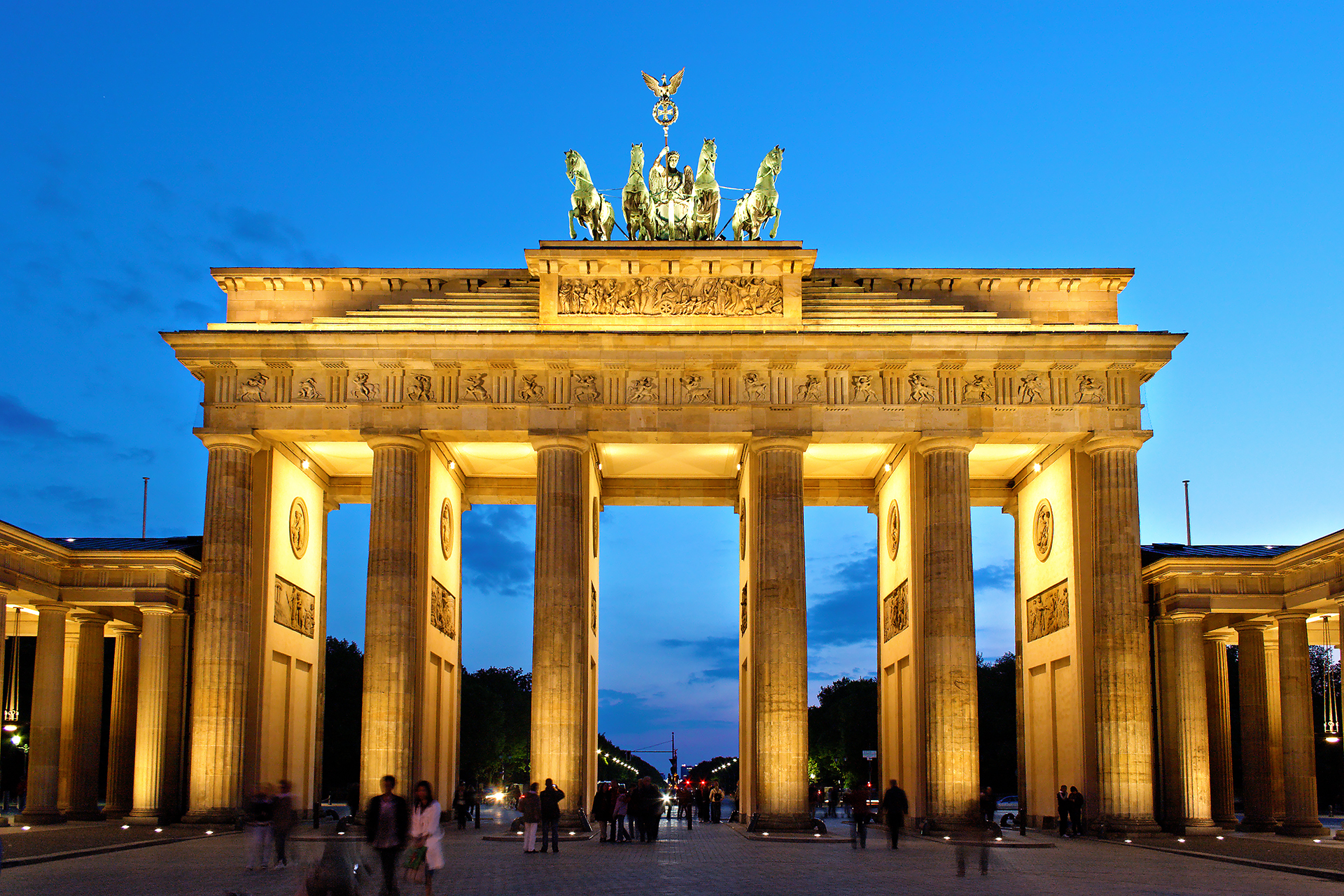
1. Brandenburg Gate and the Reichstag.
Stand at the gate, then walk five minutes to the Reichstag and go up into Norman Foster's glass dome, which is free but needs advance online registration with your name and ID, so book it days ahead.
-
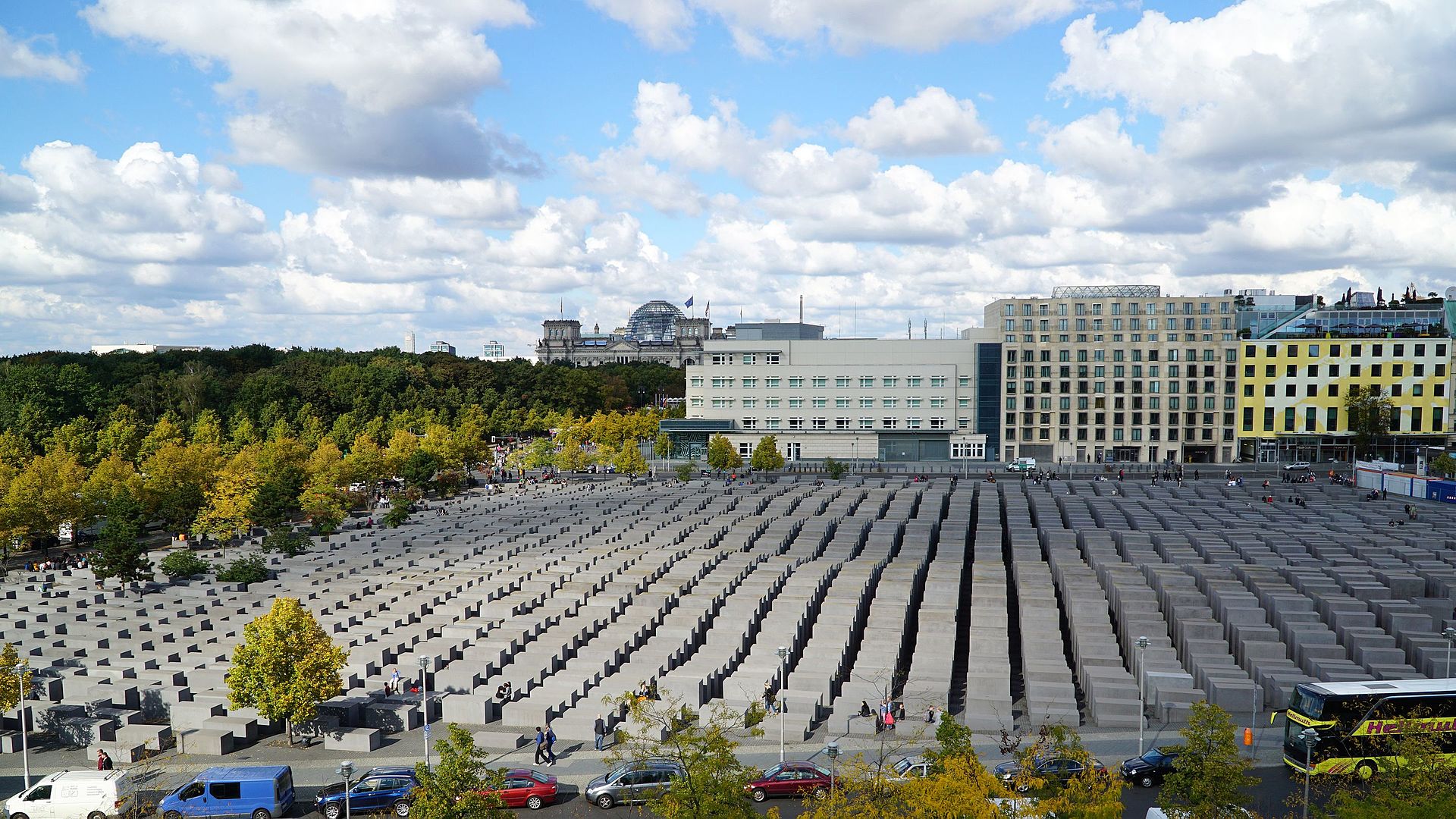
2. Memorial to the Murdered Jews of Europe.
A field of over 2,700 concrete slabs you can walk into, free and always open, with an information center underneath that is quiet and devastating and worth the wait at the entrance.
-
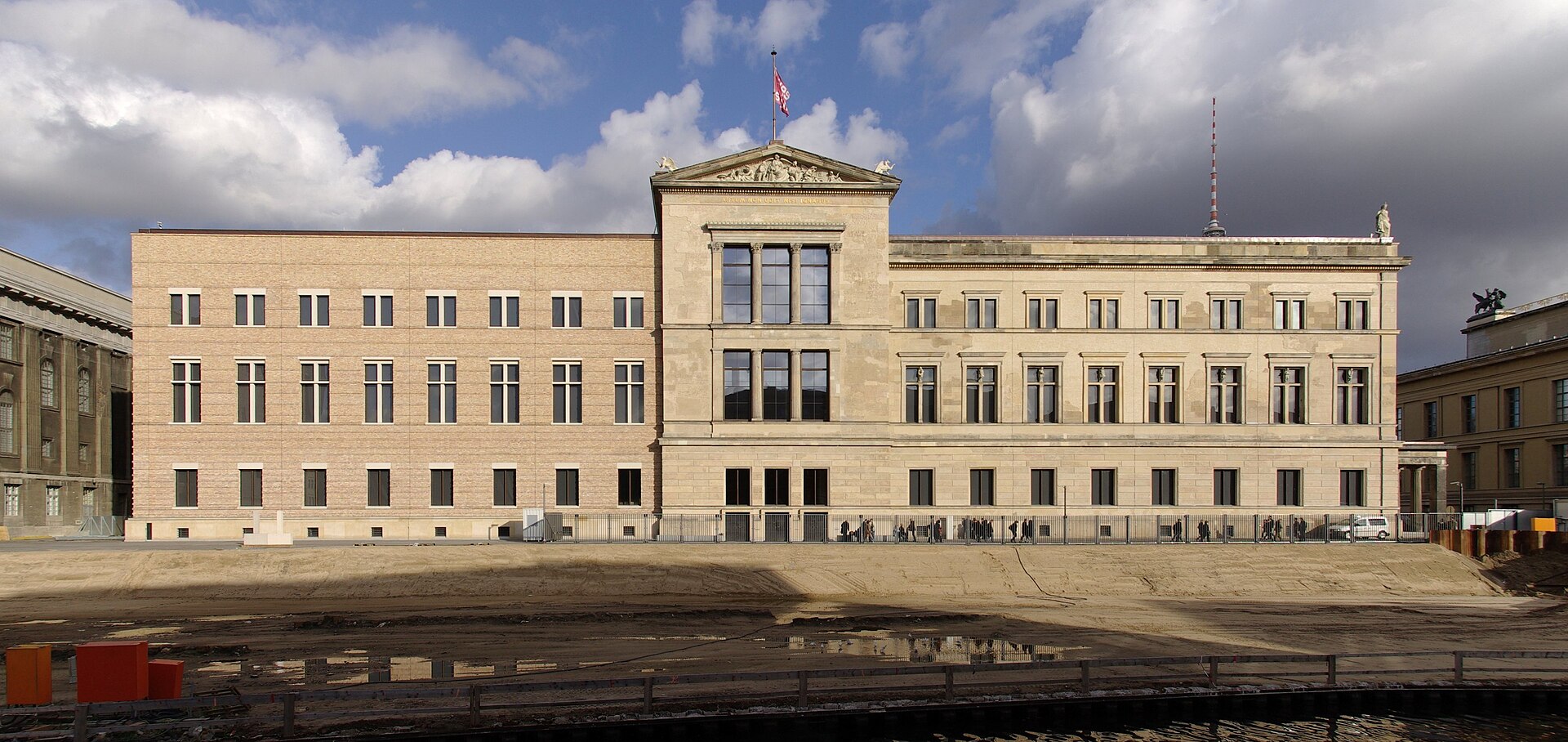
3. Museum Island.
Five museums on one Spree island, with the Neues Museum (Nefertiti's bust) the standout, but note the Pergamon, normally the star, is fully closed for renovation until around 2027, so do not plan your visit around it.
-
The longest surviving stretch of the Berlin Wall, painted by artists in 1990, runs along the river in Friedrichshain; it is free, outdoors and best early before the tour groups stack up at the Trabant mural.
-
Built on the former Gestapo and SS headquarters, this free documentation center lays out how the Nazi state ran its machinery, with a surviving piece of Wall right outside; sober, dense, and one of the most honest sites in the city.
-
The 1960s East German spike at Alexanderplatz is the tallest thing for miles and the view is real, but it is pricey and queue-prone, so book a timed slot online or just admire it from below.
-
The big baroque palace out west, with formal gardens you can wander for free; it is a calmer, greener half-day away from the central crush and pairs well with the Ku'damm shopping street.
-
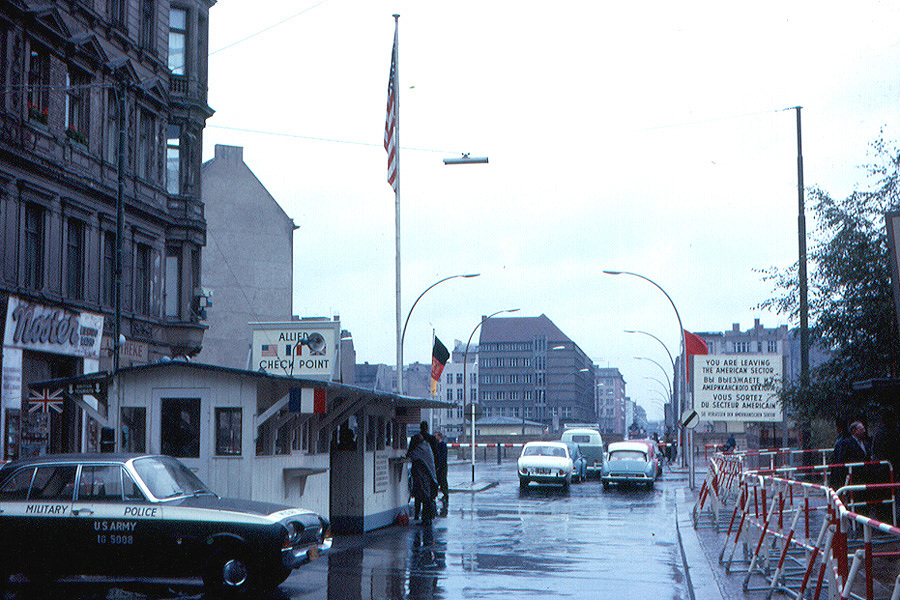
Honestly more tourist trap than sight now, a reconstructed guardhouse surrounded by souvenir stalls; walk past it, ignore anyone offering a fake passport stamp, and spend your time at the nearby Wall Memorial instead.
Landmark guides for Berlin






Plan your trip to Berlin
Thumbnail photos by Thomas Wolf, www.foto-tw.de (CC BY-SA 3.0), Mfield, Matthew Field, http://www.photography.mattfield.com; edit by Waugsberg (rotation 0,4°) (GFDL 1.2), Alexander Blum (CC BY-SA 4.0), Tobi85 (CC BY-SA 4.0), Janericloebe (Public domain), Ansgar Koreng (CC BY 3.0 de), Lklundin (CC BY-SA 3.0), Roger Wollstadt (CC BY-SA 2.0), Stiftung Topographie des Terrors (CC BY-SA 3.0 de), ernstol (CC BY-SA 3.0), via Wikimedia Commons.
Why go to Berlin
Berlin is not pretty in the postcard sense and it does not try to be. Much of the old city was bombed flat, then split in two for nearly thirty years, and you feel that everywhere: in the gap where the Wall ran, in the prewar streets of the east that survived, in the brutalist East German blocks next to refurbished tenements. The city wears its history out in the open, and a lot of the most powerful sites are memorials, not palaces.
What keeps people here longer than they planned is the everyday texture. The food is genuinely good and cheap by Western European standards, the bars stay open absurdly late, and the parks fill with people drinking beer the moment the sun comes out. It is a city for wandering one neighborhood at a time, eating a doner kebab, sitting in a beer garden, and letting the sights come to you.
It is also one of the most relaxed and LGBTQ-friendly cities in Europe, with a club scene that is famous for a reason. If your idea of a trip is ticking off ten landmarks in two days, Berlin will feel scattered and grey. If you like cities you can sink into, it delivers.
When to visit
Late spring and early fall are the sweet spot. May, June and September give you mild days, long evening light and beer gardens in full swing without the peak-summer mob. The city comes alive outdoors in these months, and that is when Berlin is at its best.
July and August are warm and busy, with the most tourists and the highest prices. The real catch is air conditioning, or the lack of it: plenty of Berlin apartments and older hotels do not have any, so a hot week can mean sweaty, sleepless nights. Summers here are also unpredictable, so pack a rain layer even in July and do not bank on sunshine.
Winter, roughly December through February, is grey, cold and dark by mid-afternoon, but it has a payoff. Christmas markets spread across the city from late November, the museums are quiet, and rooms are cheaper. The flat stretches of early November and deep January, once the markets close, can feel genuinely bleak. Two dates to know: the Berlinale film festival in February fills hotels, and New Year's Eve draws huge crowds to the Brandenburg Gate. For gardens and outdoor life, aim for May through September.
Getting around
Berlin's public transport, run by BVG, is genuinely good and one ticket covers all of it: U-Bahn (subway), S-Bahn (overground commuter rail), trams (mostly in the east), buses and regional trains. The city is divided into zones A, B and C. A and B cover everything inside the city, so for normal sightseeing you just want an AB ticket. You only need zone C for the outer edges, the BER airport and Potsdam.
There is no ticket gate anywhere, which trips up a lot of visitors. It runs on the honor system, and if you buy a paper ticket you must validate (stamp) it before boarding. Plainclothes inspectors do check, and the fine is not friendly. The easiest fix is to buy and plan in the BVG or Jelbi app and skip the paper entirely. If you plan to move around a lot and hit several sights, price out the Berlin WelcomeCard, which bundles unlimited rides with sight discounts.
The S-Bahn ring loops the inner city and is a handy mental map for orienting yourself. Trains run all night on Friday and Saturday; on weeknights, night buses fill the gap. Cycling is popular with wide bike lanes, just be careful crossing tram tracks at an angle, which can grab a wheel. Once you are in Mitte, most of the central sights are walkable from one another, so you will use transit mainly to hop between neighborhoods.
What to do, by type of trip
History and memory: this is Berlin's core. The Holocaust Memorial, Topography of Terror, the Berlin Wall Memorial on Bernauer Strasse and the East Side Gallery are all free, and together they tell the twentieth-century story better than any single museum. Add Museum Island for antiquity and art, but skip building your plan around the Pergamon since it is closed until around 2027.
Food, drink and nightlife: head to Kreuzberg and Neukolln for kebabs, late bars and street food, and Friedrichshain for the serious clubs around the old industrial blocks by the river. The famous clubs like Berghain have strict, unpredictable door policies and a firm no-photos rule inside, so go knowing you might not get in. Daytime, the parks and beer gardens are the move when the weather holds.
Families and a slower pace: Prenzlauer Berg is leafy, full of brunch cafes and easy to stroll, with the Sunday Mauerpark flea market and singalong nearby. Charlottenburg in the west gives you the palace, formal gardens and the Ku'damm shopping street with far less crowding. Mix one heavy history morning with an easy neighborhood afternoon and you will not burn out.
How to plan your days
Berlin is spread out, so the trick is to cluster by area rather than zigzagging across the city. A workable first day is central Mitte on foot: Brandenburg Gate, the Holocaust Memorial, the Reichstag dome (pre-booked), then east along Unter den Linden toward Museum Island and the Berliner Dom, ending at Alexanderplatz and the TV Tower.
Give a second day to the Wall and the east. Start at the Topography of Terror, walk the Berlin Wall Memorial, then cross the river to the East Side Gallery in Friedrichshain. Cap it with dinner and drinks in Kreuzberg or Neukolln, which are right there. That puts the heaviest history together and leaves your evening in the best food neighborhoods.
With a third day, get out of the center. Potsdam and Sanssouci is the easy winner and only about a 25 to 30 minute regional train ride, or use it for the calmer west: Charlottenburg Palace and the Ku'damm. If you have four or more days, that is when a longer trip to Dresden or Leipzig, or a sober half-day at the Sachsenhausen memorial, starts to make sense. Two full days hits the essentials; three or four lets the city breathe.
Booking tips and common mistakes
Book the right things ahead. The Reichstag dome is free but needs advance online registration with a name and ID, and slots fill, so reserve days out. Museum Island uses timed entry, so buy online; if you plan to hit several museums, price the Museum Island day pass or the Berlin Museum Pass. Many of the most moving sites cost nothing at all: the Holocaust Memorial, Topography of Terror, East Side Gallery and Berlin Wall Memorial are all free and open.
Carry cash. Berlin is surprisingly card-shy, and plenty of bars, cafes and even some restaurants are cash-only, so keep euros on you. Tipping is modest: round up or add about 5 to 10 percent, and tell the server the total directly rather than leaving coins on the table. Remember that Sunday closing is real. Most shops shut, though restaurants, museums and bakeries stay open, so do your shopping by Saturday.
Watch your pockets around Alexanderplatz, the Brandenburg Gate, busy U-Bahn lines and crowded markets, where pickpockets work the crowds. Ignore anyone offering to staple a fake Checkpoint Charlie stamp into your passport, which can void it. Wait for the green man at crossings, since locals do and jaywalking is frowned on. There is no dress code for sights, but cover shoulders and knees in churches. And do not promise yourself the Pergamon: it is closed for renovation until around 2027.
Where to stay and explore: Berlin's neighborhoods
- Mitte
- The historic and tourist core, holding Museum Island, the Brandenburg Gate, Unter den Linden and most of the big sights, so it is convenient and walkable but also the busiest and priciest place to stay.
- Kreuzberg
- Turkish-German, punk-leaning and packed with late-night bars, kebab shops and canal-side markets; come here to eat and drink rather than to sightsee.
- Friedrichshain
- Young, scruffy and party-driven, home to the East Side Gallery and the serious club scene in the old industrial blocks near the river.
- Prenzlauer Berg
- Cobbled streets, restored prewar buildings, leafy squares and brunch cafes; it went from edgy East to family-friendly, and the Sunday Mauerpark flea market is the draw.
- Charlottenburg
- The calmer, more bourgeois west, with the baroque palace, the Ku'damm shopping boulevard and a quieter, traditional feel.
- Neukolln
- Diverse, fast-changing and relatively cheap, with a strong bar and street-food scene; good for nightlife and people-watching, light on classic sights.
- Schoneberg
- Relaxed and residential, the heart of Berlin's longstanding LGBTQ scene, with the Saturday Winterfeldtplatz market worth timing a visit around.
Things to do in Berlin: FAQs
Two full days covers the essentials: one for central Mitte and the big landmarks, one for the Wall sites and the eastern neighborhoods. Three or four days lets you add a day trip to Potsdam, a slower afternoon in the west, and time to actually sit in a beer garden instead of rushing.
Yes, a few things. The Reichstag dome is free but requires advance online registration with your name and ID, and slots sell out, so book days ahead. Museum Island runs on timed entry, so buy those online too. Most memorials, including the Holocaust Memorial and Topography of Terror, are free and need no booking.
One ticket covers the U-Bahn, S-Bahn, trams and buses, and for city sightseeing you want an AB-zone ticket. There are no turnstiles, so if you buy a paper ticket you must stamp it before boarding or risk a fine from plainclothes inspectors. The simplest route is to buy in the BVG or Jelbi app, which skips the stamping entirely.
No. The Pergamon, normally Museum Island's headline attraction, is fully closed for renovation until around 2027. Do not build your visit around it. The Neues Museum, home to the Nefertiti bust, is the standout among the museums that are open.
No, Berlin is more cash-friendly than you might expect. Plenty of bars, cafes and even some restaurants are card-shy or cash-only, so carry euros. For tips, round up or add about 5 to 10 percent and tell the server the amount directly rather than leaving it on the table.
Potsdam is the obvious one, about a 25 to 30 minute regional train away, with Sanssouci Palace and its terraced gardens the highlight; you will need a zone C ticket. For something sober, the Sachsenhausen concentration camp memorial is roughly 45 minutes north and free to enter. Dresden and Leipzig work as longer day trips if you have the time.
Explore more destinations
- Things to do in Vienna Austria
- Things to do in Prague Czech Republic
- Things to do in London England
- Things to do in Paris France
- Things to do in Athens Greece
- Things to do in Naxos Greece
- Things to do in Budapest Hungary
- Things to do in Dublin Ireland
- Things to do in Florence Italy
- Things to do in Rome Italy
- Things to do in Venice Italy
- Things to do in Tokyo Japan
- Things to do in Amsterdam Netherlands
- Things to do in Lisbon Portugal
- Things to do in Porto Portugal
- Things to do in Barcelona Spain
- Things to do in Madrid Spain
- Things to do in Dubai United Arab Emirates
- Things to do in Las Vegas USA
- Things to do in New York City USA
Where to next?
One short email, twice a month: handpicked experiences, hidden-gem cities, and the best windows to book them.