 Klemio
Things to do in Dubai
Dubai packs the world's tallest tower, man-made islands, and gold souks into one flat desert city on the Gulf. You can ride a high-speed lift up the Burj Khalifa in the morning, cross the Creek by wooden boat in the afternoon, and watch fountains dance after dark.

The essential things to do in Dubai
-
1. Ride to the top of the Burj Khalifa.
The world's tallest building has observation decks on levels 124 and 125, and a higher SKY deck on 148. Tickets are timed and date-specific, and popular slots like sunset sell out.
-
2. Book a desert safari.
A half-day trip into the dunes is one of Dubai's signature outings: dune driving, camel rides, sandboarding, and an evening camp with dinner. Most pickups happen in the afternoon.
-
3. See the Dubai Fountain and The Dubai Mall.
Entry to the mall is free. Outside on the lake, the fountain runs free evening shows roughly every half hour, set to music, right at the base of the Burj Khalifa.
-
4. Visit Palm Jumeirah and Atlantis.
The palm-shaped island holds Atlantis resorts, the Aquaventure waterpark, and The View observation deck on the Palm Tower. A monorail runs the length of the trunk to the crescent.
-
5. Walk Dubai Marina and take a dhow cruise.
The Marina is a ring of towers around a canal, with a waterfront promenade and JBR beach nearby. Wooden dhow cruises with dinner depart from the marina in the evening.
-
6. Cross Dubai Creek by abra and shop the souks.
Small wooden abra boats ferry people across the Creek for a flat cash fare. Both banks hold the gold, spice, and textile souks and the Al Fahidi historic quarter.
-
7. Spend a day at the beach.
Public stretches like JBR and Kite Beach are free and open year-round, with cafes and watersports (the old La Mer strip has been redeveloped as the upscale J1 Beach). The water stays warm even in winter, when the air is comfortable.
Landmark guides for Dubai


Plan your trip to Dubai
Thumbnail photos by imran shahabuddin (CC BY 2.0), Unknown author, Member of the Expedition 22 crew. (Public domain), Norlando Pobre (CC BY 2.0), Alberto-g-rovi (CC BY-SA 3.0), Jason7825 (CC BY-SA 4.0), WikiSilky (CC BY-SA 4.0), Philosographer (CC BY-SA 4.0), Phil6007 (CC BY-SA 4.0), Maxim Gavrilyuk (CC BY-SA 3.0), via Wikimedia Commons.
Why visit Dubai
Dubai is a city built fast and built tall. In a few decades it went from a creek-side trading port to a skyline of record-setting towers, and that contrast is the main reason to come. You can stand under the Burj Khalifa, the tallest building on Earth, then drive twenty minutes to a quarter of wind-tower houses from the early 1900s. Both versions of the city are real, and seeing them back to back is the point.
It is also one of the easiest big cities to travel in. English is spoken almost everywhere, the metro is clean and cheap, taxis are plentiful, and crime is low. Most attractions are designed for visitors, with clear ticketing, air-conditioned interiors, and staff used to tourists from every country. That makes it a comfortable first stop in the region, including for families and first-time long-haul travelers.
The flip side is that a lot of Dubai is engineered entertainment: malls, theme parks, branded islands, and observation decks. If you want ancient ruins or old-world streets, this is not that city. If you want sun, beaches, the desert on the doorstep, and a built environment that keeps trying to outdo itself, Dubai delivers it with very little friction.
When to visit
The comfortable season runs from roughly November to March, when daytime highs sit in the mid-20s Celsius and evenings are pleasant. This is when outdoor markets, beach clubs, desert camps, and rooftop bars are at their best, so it is also the busiest and priciest stretch. Book hotels and timed attractions well ahead if you come around New Year or during school holidays.
Summer, from about June through September, is brutally hot. Daytime temperatures regularly hit the mid-40s Celsius and humidity near the coast makes it feel worse, so daytime activity moves indoors to malls and aquariums. The trade-off is lower hotel rates and thinner crowds. If you visit then, plan outdoor things for early morning or after sunset and keep the middle of the day for air-conditioned stops.
Check whether your trip overlaps Ramadan, since the dates shift earlier each year. During the holy month, many restaurants adjust hours, live music is limited, and eating or drinking in public during daylight is not done out of respect. Attractions still operate, often with shifted hours, and the evenings after the fast breaks are lively, but the daytime rhythm of the city changes.
Getting around
The Dubai Metro is the backbone for visitors. It has two lines, Red and Green, and the Red Line links the airport, Downtown (the Burj Khalifa / Dubai Mall stop), and the Marina area. It is driverless, air-conditioned, and inexpensive, and it connects to a tram around the Marina and JBR. You pay with a rechargeable Nol card, which also works on buses and the tram (the Palm Monorail is separate and not covered by Nol).
Where the metro does not reach, taxis and ride-hailing apps fill the gap and are reasonably priced by Western standards. Distances are large and the city is built around highways, so even short hops can mean a drive. Walking outdoors is fine in winter but punishing in summer heat, which is one reason so many malls and stations connect by covered, cooled walkways.
A few quirks help. The Burj Khalifa / Dubai Mall metro station sits a long covered walk from the mall itself, so allow extra time. The Marina's nearest station is Sobha Realty on the Red Line, a renamed stop, so older signs and maps may call it Dubai Marina (the adjacent DMCC is a different station). And to reach the old town's far bank, the cheapest and most fun option is the abra, a small wooden boat across the Creek.
What to do, by type of trip
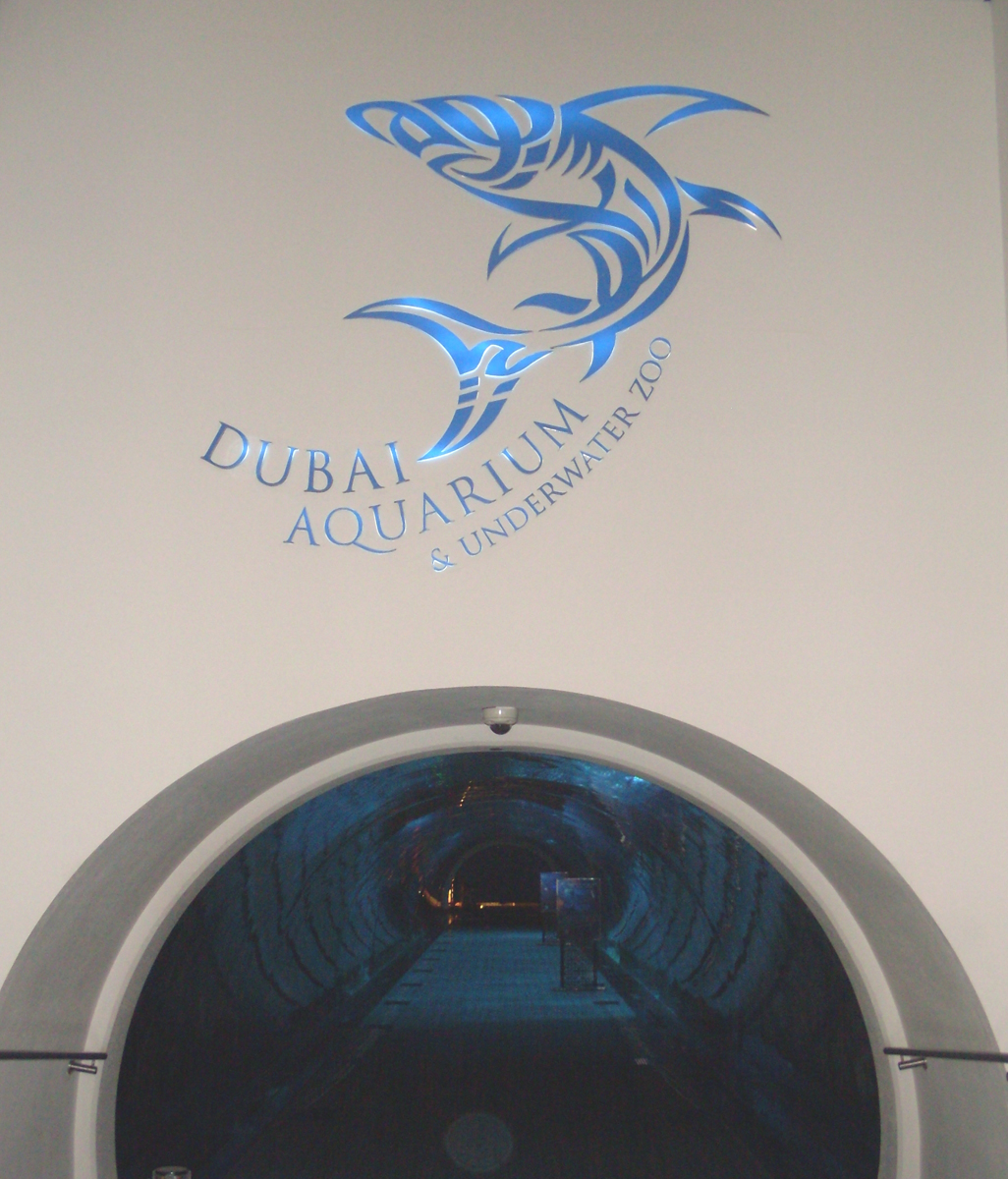
For families, Dubai is stacked with all-weather options. The Dubai Aquarium inside the mall, the Aquaventure waterpark on Palm Jumeirah, indoor ski slopes, and large theme parks all run on timed or dated tickets, so book the headline ones in advance during peak season. Beaches like JBR and Kite Beach give kids open space when the weather cooperates.
For couples, the city leans into views and water. A sunset slot on the Burj Khalifa, a dinner dhow cruise gliding through the Marina towers, or a desert camp under the stars all make easy date nights. The View at The Palm and rooftop lounges add quieter alternatives to the busier Downtown decks.
For culture-minded travelers, head to the older side around Dubai Creek. Al Fahidi's restored lanes, the small museums, the gold and spice souks, and a guided visit to Jumeirah Mosque give you the human history that the towers skip. The mosque welcomes non-Muslim visitors on set tour times and asks for modest dress, with women covering their hair.
For adventure, the desert is the main event. Half-day safaris run dune driving, sandboarding, camel rides, and a camp dinner, usually with afternoon pickups timed for sunset. Add-ons range from quad bikes to hot-air balloons at dawn, and on the coast you can try kitesurfing, jet-ski tours, or a skydive over the Palm.
For shoppers and foodies, malls are the obvious draw, but the food scene runs much deeper than that. You can eat your way from cheap, excellent South Asian and Levantine spots in Deira and Bur Dubai up to high-end tasting menus near Downtown, and the contrast in a single day is part of the experience.
How to plan your days
With one day, focus on Downtown. Start early at the Burj Khalifa, prebooked for a morning or sunset slot, then explore The Dubai Mall and the aquarium. Stay into the evening for the free fountain shows on the lake, which run roughly every half hour after dark. This single area can fill a packed day without a long commute.
With two or three days, add contrast. Give one evening to the desert safari, one half-day to the old town around Dubai Creek (abra crossing, the souks, Al Fahidi), and another to the coast at the Marina, JBR, and Palm Jumeirah. Mixing the futuristic and the historic sides is what makes a short Dubai trip feel complete.
With more time, slow down and spread out. Work in a beach day, a waterpark, The View at The Palm, a guided mosque visit, or a side trip to Abu Dhabi. In summer, build the schedule around the heat: outdoor and desert activities at the edges of the day, indoor attractions in the hot middle hours.
Booking tips and common mistakes
Book the timed attractions ahead. The Burj Khalifa sells dated, time-slot tickets, and sunset and winter slots sell out, sometimes days out. The same caution applies to popular waterparks and the desert safari in peak season. Buying online before you arrive usually beats the on-site line and gives you the slot you actually want.
Avoid the easy missteps. Do not assume the Dubai Mall metro stop drops you at the door, since it is a long covered walk away. Do not underestimate distances between Downtown, the Marina, and the old town, which are real drives apart. Check whether your dates fall in Ramadan or peak summer, dress modestly at religious sites, and remember the free wins (the fountain shows, public beaches, and the cheap abra crossing) cost almost nothing.
Where to stay and explore: Dubai's neighborhoods
- Downtown Dubai
- The showpiece core, built around the Burj Khalifa, The Dubai Mall, and the fountain lake. It is the most convenient base for first-timers, with the Red Line metro stop, big hotels, and the city's headline sights all within one walkable cluster.
- Dubai Marina and JBR
- A dense ring of towers around a man-made canal, with a waterfront promenade, dinner dhow cruises, and the JBR beach strip next door. Lively in the evenings, well served by the Red Line and the tram, and popular with younger visitors.
- Palm Jumeirah
- The palm-shaped island of resorts, including Atlantis and the Aquaventure waterpark, plus The View observation deck on the Palm Tower. A monorail runs from the trunk out to the crescent. It is a destination in itself rather than a place to wander on foot.
- Deira and Old Dubai
- The historic trading quarter on the northern bank of the Creek, home to the gold, spice, and textile souks and a working waterfront of wooden dhows. Crowded, cheap to eat in, and the best place to feel the city's older, mercantile character.
- Bur Dubai and Al Fahidi
- Across the Creek from Deira, this older district holds the restored Al Fahidi quarter of wind-tower houses, small museums, and quiet art cafes. Abras cross from here to Deira, making it the natural pairing for a half-day in old Dubai.
- Jumeirah
- A low-rise coastal stretch of villas, public beaches, and the landmark Jumeirah Mosque, which runs guided tours for non-Muslim visitors. Calmer than the high-rise districts, with beach clubs and the Kite Beach and J1 Beach (formerly La Mer) areas drawing day crowds.
- Business Bay
- An extension of Downtown just south along the water canal, packed with newer towers, hotels, and restaurants. It sits within easy reach of the Burj Khalifa and offers more rooms and dining at often lower rates than the core, with canal-side walking paths.
Things to do in Dubai: FAQs
Three to four days covers the essentials without rushing: a day in Downtown for the Burj Khalifa, mall, and fountains, an evening desert safari, a half-day in the old town around Dubai Creek, and time at the Marina, the Palm, or a beach. A long weekend works if you prioritize.
November through March has the most comfortable weather, with warm days and cooler evenings ideal for outdoor activities. It is also the busiest and most expensive season. Summer, roughly June to September, is very hot but cheaper, with activity shifting indoors during the day.
Yes, for the slot you want. Tickets are dated and timed, and sunset and winter slots sell out, sometimes days ahead. Booking online before you arrive usually costs less than the on-site line and locks in your preferred time.
It is one of Dubai's signature outings and worth it for most visitors. A standard half-day trip includes dune driving, camel rides, sandboarding, and a camp dinner, with afternoon pickups timed for sunset. Choose a reputable operator and book ahead in peak season.
The Red and Green metro lines, the Marina tram, buses, the Palm Monorail (a separate ticket), and taxis or ride-hailing apps cover most of what visitors need. A rechargeable Nol card works across the metro, tram, and buses. Distances are large, so factor in travel time between districts.
Dubai is relaxed by regional standards, but dress modestly at religious sites and cover shoulders and knees, with women covering their hair at mosques. Public eating and drinking during daylight in Ramadan is avoided out of respect, and public drunkenness or affection is frowned upon.
Explore more destinations
- Things to do in Vienna Austria
- Things to do in Prague Czech Republic
- Things to do in London England
- Things to do in Paris France
- Things to do in Berlin Germany
- Things to do in Athens Greece
- Things to do in Naxos Greece
- Things to do in Budapest Hungary
- Things to do in Dublin Ireland
- Things to do in Florence Italy
- Things to do in Rome Italy
- Things to do in Venice Italy
- Things to do in Tokyo Japan
- Things to do in Amsterdam Netherlands
- Things to do in Lisbon Portugal
- Things to do in Porto Portugal
- Things to do in Barcelona Spain
- Things to do in Madrid Spain
- Things to do in Las Vegas USA
- Things to do in New York City USA
Where to next?
One short email, twice a month: handpicked experiences, hidden-gem cities, and the best windows to book them.