 Klemio
Things to do in Amsterdam
Amsterdam is a city of canals, gabled houses, world-class museums and bikes, compact enough to cross on foot and best seen at the pace of a slow ride or a boat. This guide covers when to go, how to get around on two wheels and the water, the neighborhoods worth your time, and the day trips into the Dutch countryside.

The essential things to do in Amsterdam
-
The 17th-century canal ring is a UNESCO site, and a boat is one of the best ways to understand the city.
-
The national museum holds Rembrandt, Vermeer and the masterpieces of the Dutch Golden Age.
-
The world's largest collection of the artist's work sits in the Museum Quarter; book a timed ticket.
-
One of the city's most moving experiences; tickets are online-only and sell out weeks ahead.
-
5. Wander the Jordaan.
Narrow canals, galleries, courtyards and classic brown cafes reward an aimless walk.
-
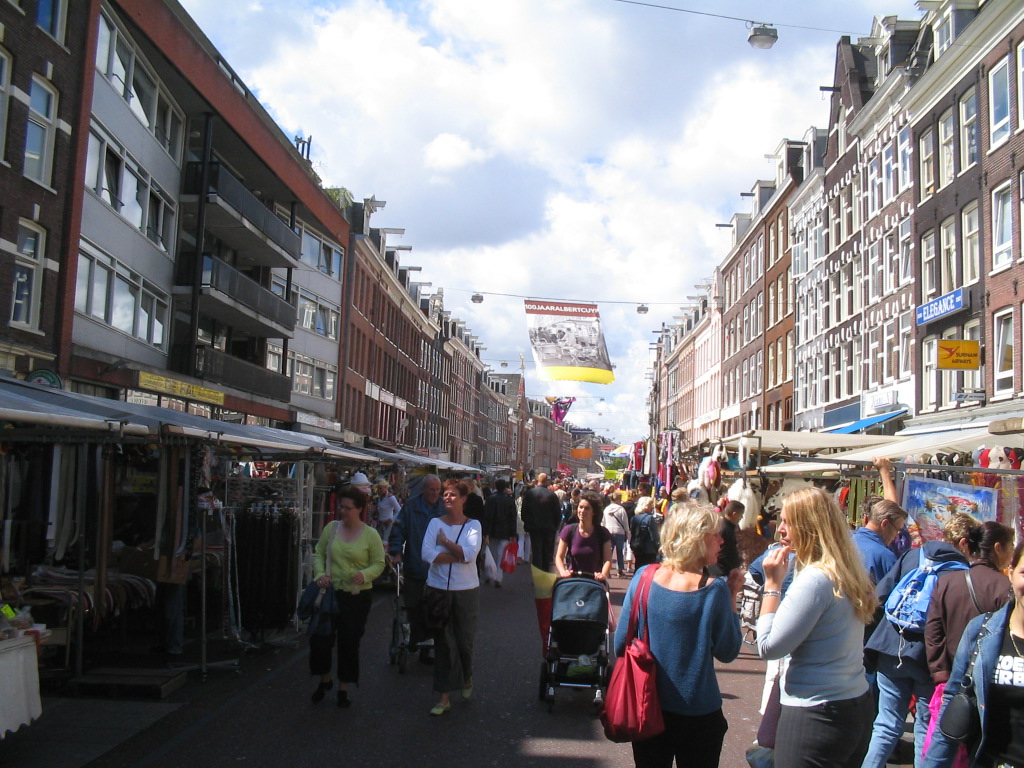
6. Browse the Albert Cuyp Market.
Amsterdam's busiest street market, in lively De Pijp, is the spot for stroopwafels and street food.
-
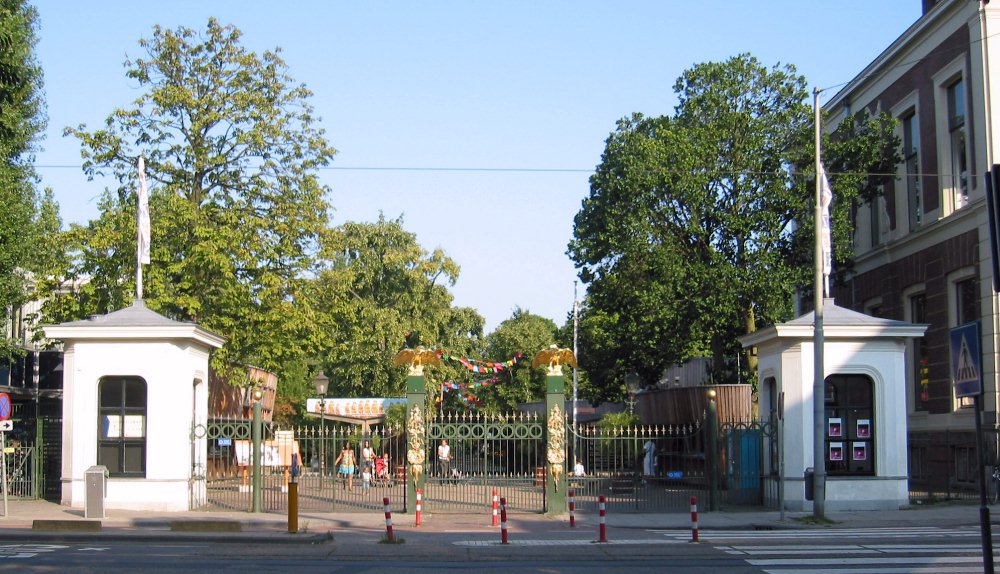
The city's favorite green space is made for a picnic, a bike ride or a slow afternoon.
-
8. Day-trip to the windmills.
The preserved windmills of Zaanse Schans, or the spring tulip fields, are a short ride from the center.
Landmark guides for Amsterdam




Plan your trip to Amsterdam
Thumbnail photos by Trougnouf (Benoit Brummer) (CC BY 4.0), C messier (CC BY-SA 4.0), Dietmar Rabich (CC BY-SA 4.0), Sergey Galyonkin from Berlin, Germany (CC BY-SA 2.0), Dguendel (CC BY 4.0), pj soans (CC BY-SA 3.0), Michiel1972 at Dutch Wikipedia (CC BY-SA 3.0), The original uploader was Mtcv at Dutch Wikipedia. (CC BY-SA 3.0), Vera de Kok (CC BY-SA 4.0), Massimo Catarinella (CC BY-SA 3.0), via Wikimedia Commons.
Why visit Amsterdam
Amsterdam is one of Europe's most charming and easygoing capitals, a ring of 17th-century canals lined with narrow merchant houses, leaning at gentle angles, that has barely changed shape in 400 years. The historic canal belt is a UNESCO World Heritage site, and simply walking or boating it is one of the great urban pleasures in Europe.
It is also a serious cultural city. The Rijksmuseum and the Van Gogh Museum sit within steps of each other, the Anne Frank House tells one of the most important stories of the 20th century, and dozens of smaller museums cover everything from photography to the city's maritime past. Around them, the city runs on bicycles, brown cafes (the cozy traditional pubs), markets and a relaxed, tolerant outlook.
Compact and flat, Amsterdam is easy to cover, but it is also extremely popular and the central streets can feel overwhelmed in peak season. The reward for booking the big museums ahead and venturing beyond the old center is a city that still feels livable and local just a few canals out.
When to visit
Spring, especially mid-April to mid-May, is the showcase season, when the tulip fields and the Keukenhof gardens bloom and the city throws itself into King's Day on April 27, a citywide orange-clad street party. The weather is changeable but the light is lovely and the parks come alive.
Summer (June to August) brings the longest days, terrace season and the liveliest mood, along with the biggest crowds and higher prices. Fall is quieter and atmospheric, with misty canals and golden trees, while winter is cold, dark early and often gray, but cozy, cheap and uncrowded, with the museums at their calmest and the occasional canal freezing over.
Whenever you come, pack layers and a waterproof. Dutch weather is famously fickle and a single day can swing from sun to rain and back. The upside is that the indoor culture, the museums and brown cafes, is excellent rainy-day insurance.
Getting around
Amsterdam is flat, small and built for bikes, and renting one is the local way to get around. If you ride, learn the basics first: use the dedicated bike lanes, signal your turns, do not stop in the middle of them, and watch for tram tracks, which can catch a wheel. If cycling in a busy foreign city is not for you, that is completely fine; the city is also very walkable.
Trams are the backbone of public transport, frequent and easy, with metro and buses filling in. A rechargeable OV-chipkaart or contactless payment works across all of them, and the GVB day passes are good value if you will ride often. Trains from Centraal Station reach the airport in about 15 minutes and serve every day-trip town.
On the canals, a boat is more than a tourist novelty; it is one of the best ways to understand the city's layout, whether on a guided cruise or a small rental. Cars are a hindrance in the center, with limited access and very expensive parking, so leave any rental at the edge of town and use it only for the countryside.
What to do, by type of trip
Museums and art: the Museum Quarter packs the heavyweights together, the Rijksmuseum for Rembrandt, Vermeer and the Dutch Golden Age, and the Van Gogh Museum for the world's largest collection of his work. Both use timed tickets and sell out, so book ahead. The Anne Frank House, in the canal belt, requires tickets bought online weeks in advance and is one of the most moving experiences in the city.
Canals and the water: a canal cruise is the classic introduction, and the evening and golden-hour trips are especially pretty as the bridges light up. Beyond the standard cruise, small open-boat tours, evening cheese-and-wine sails and self-drive rentals all let you see the city from its best angle.
Neighborhoods and markets: the Jordaan rewards aimless wandering among canals, galleries and brown cafes, while De Pijp has the bustling Albert Cuyp street market and a young, international food scene. The Nine Streets (De Negen Straatjes) are a tidy grid of independent shops and cafes in the heart of the canal belt.
Food and drink: Dutch specialties run from herring and bitterballen to stroopwafels, cheese and an outsized coffee-and-cake culture in the brown cafes. Food tours, cheese tastings and market crawls are popular, and the city's diversity means excellent Indonesian rijsttafel and food from across the former trading world.
Day trips: the windmills of Zaanse Schans, the cheese towns of Edam and the fishing villages of Marken and Volendam make easy half-days. In spring, Keukenhof and the tulip fields are unmissable but only open roughly late March to mid-May. The historic cities of Haarlem, Utrecht and Leiden, the canal village of Giethoorn, and even The Hague and Rotterdam are all short train rides away.
How to plan your days
First time, two to three days: day one for the canal belt on foot and by boat, the Nine Streets and the Anne Frank House (booked ahead). Day two for the Museum Quarter, the Rijksmuseum and Van Gogh Museum, with the afternoon in Vondelpark or De Pijp. With a third day, rent a bike for the Jordaan and the eastern docklands, or take a day trip to the windmills or, in spring, the tulips.
Longer stay: add a half-day at a smaller museum, an afternoon exploring the up-and-coming districts across the IJ river (reached by free ferry behind Centraal Station), and a full day trip to Utrecht, Haarlem or Giethoorn. A slow canal-side lunch is never wasted time.
Rainy day: this is a museum city made for bad weather. Chain together the big collections, a brown-cafe lunch, a covered market and an indoor canal cruise, and the rain becomes part of the charm rather than a problem.
Booking tips and common mistakes
Book the Anne Frank House as far ahead as you can, since tickets are released online on a rolling basis and sell out almost immediately; there is no reliable walk-up line. Reserve the Van Gogh Museum and Rijksmuseum ahead too, as both use timed entry. Free-cancellation tours and tickets let you commit early without risk.
The classic mistakes are walking in the bike lanes (locals will let you know), assuming you can get into the Anne Frank House on the day, and confusing the relaxed coffeeshops with ordinary cafes. Respect the city as a place people live, especially in the old center, keep to the pavement and not the cycle path, and you will fit right in.
Where to stay and explore: Amsterdam's neighborhoods
- Canal Belt (Grachtengordel)
- The UNESCO-listed ring of 17th-century canals and gabled houses at the city's heart, home to the Anne Frank House and the Nine Streets. The postcard Amsterdam and the most central base.
- Jordaan
- A former working-class district turned charming, with narrow canals, galleries, courtyards and classic brown cafes. Lovely for an aimless wander and a quieter stay.
- De Pijp
- A lively, multicultural neighborhood south of the center, built around the Albert Cuyp street market, with a young, international food and bar scene.
- Museum Quarter (Museumkwartier)
- Home to the Rijksmuseum, Van Gogh Museum and Stedelijk, plus Vondelpark and upscale shopping. Cultured and green, a short tram ride from the canals.
- Oud-West and the Nine Streets
- The Nine Streets are a tidy grid of independent shops and cafes within the canal belt, while neighboring Oud-West offers a relaxed, residential base with good food halls.
- Amsterdam-Noord
- Across the IJ river by free ferry, a former industrial zone reinvented with art spaces, a panoramic lookout tower, festivals and a creative, edgier mood.
Things to do in Amsterdam: FAQs
Two full days cover the canals and the major museums. A third day lets you rent a bike, explore more neighborhoods, or take a day trip to the windmills or, in spring, the tulip fields.
As far ahead as possible. Tickets are sold only online, released on a rolling schedule, and sell out within minutes, so plan to book weeks before your trip. There is no dependable same-day option.
No. Cycling is the local way to get around and a fun way to see the city, but Amsterdam is also flat, compact and very walkable, with excellent trams. If you do ride, stick to the bike lanes and watch for tram tracks.
Roughly mid-April to early May, when the Keukenhof gardens and the surrounding bulb fields bloom. Keukenhof is only open for about eight weeks in spring, so it is a seasonal trip you cannot do at other times of year.
Spring brings the tulips and King's Day; summer is liveliest but busiest; fall is quieter and atmospheric; winter is cold but cozy, cheap and uncrowded. Pack layers and a raincoat whenever you go.
Direct trains run from the airport to Amsterdam Centraal in about 15 minutes and are the fastest, cheapest option. Taxis and ride-hailing are available but slower and far more expensive in traffic.
Explore more destinations
- Things to do in Vienna Austria
- Things to do in Prague Czech Republic
- Things to do in London England
- Things to do in Paris France
- Things to do in Berlin Germany
- Things to do in Athens Greece
- Things to do in Naxos Greece
- Things to do in Budapest Hungary
- Things to do in Dublin Ireland
- Things to do in Florence Italy
- Things to do in Rome Italy
- Things to do in Venice Italy
- Things to do in Tokyo Japan
- Things to do in Lisbon Portugal
- Things to do in Porto Portugal
- Things to do in Barcelona Spain
- Things to do in Madrid Spain
- Things to do in Dubai United Arab Emirates
- Things to do in Las Vegas USA
- Things to do in New York City USA
Where to next?
One short email, twice a month: handpicked experiences, hidden-gem cities, and the best windows to book them.