 Klemio
Things to do in Rome
Rome layers nearly three thousand years of history into a walkable, theatrical center, from the Colosseum and the Forum to the Vatican, baroque fountains and long dinners in Trastevere. This guide covers when to go, how to get around, the neighborhoods to base yourself in, and how to see the big sights without losing a day to lines.

The essential things to do in Rome
-
1. Tour the Colosseum and Roman Forum.
The Colosseum, Forum and Palatine Hill are the heart of ancient Rome, usually on one combined ticket.
-
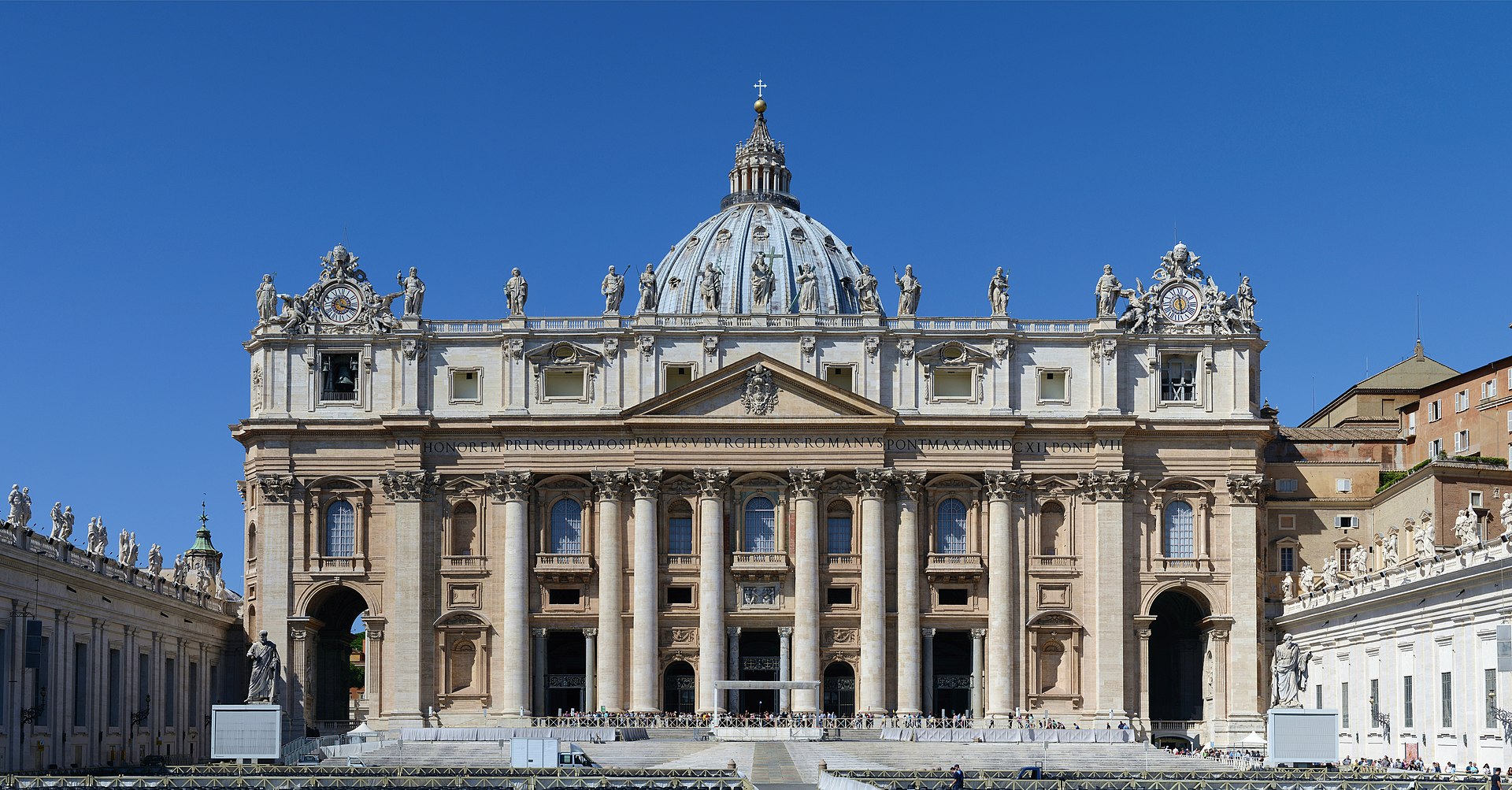
St. Peter's Basilica, the Vatican Museums and the Sistine Chapel demand an early or late timed entry.
-
3. See the Pantheon.
The best-preserved building of the ancient world still tops a 2,000-year-old dome in the historic center.
-
4. Throw a coin in the Trevi Fountain.
Rome's grandest baroque fountain is best seen early or after dinner, when the crowds thin.
-
5. See the Borghese Gallery.
Bernini's sculptures and Caravaggio's paintings sit in a villa and park; entry is by timed reservation.
-
6. Eat and wander in Trastevere.
Cobbled, ivy-draped lanes across the river are the place for a slow Roman dinner.
-
7. Climb the Spanish Steps.
The sweeping staircase and the streets around it are a classic Roman stroll and people-watching spot.
Landmark guides for Rome



Plan your trip to Rome
Thumbnail photos by FeaturedPics (CC BY-SA 4.0), Alvesgaspar (CC BY-SA 4.0), This Photo was taken by Wolfgang Moroder. Feel free to use my photos, but please mention me as the author and send me a message. This image is not in the public domain. Please respect the copyright protection. It may only be used according to the rules mentioned here. This specifically excludes use in social media, if applicable terms of the licenses listed here not appropriate. Please do not upload an updated image here without consultation with the Author. The author would like to make corrections only at his own source. This ensures that the changes are preserved.Please if you think that any changes should be required, please inform the author.Otherwise you can upload a new image with a new name. Please use one of the templates derivative or extract. (CC BY-SA 3.0), NikonZ7II (CC BY-SA 4.0), NikonZ7II (CC BY-SA 4.0), Oursana (CC0), Jean-Pol GRANDMONT (CC BY-SA 3.0), NikonZ7II (CC BY-SA 4.0), Jensens (Public domain), via Wikimedia Commons.
Why visit Rome
Rome is a city you read in layers. Ancient temples sit beneath Renaissance palaces, baroque fountains spill into medieval squares, and a 2,000-year-old dome still tops the Pantheon. You can walk from the Colosseum to the Trevi Fountain to St. Peter's in an afternoon and brush past more world history than most cities hold in total.
It is also gloriously everyday. The same square that holds an ancient column hosts a morning market; the trattoria around the corner has been doing the same four pasta dishes for generations. The art of a Roman visit is balancing the monuments with the rhythm of the city: an espresso at the bar, a long lunch, a passeggiata at dusk, gelato on the walk back.
Rome is busy year-round and the marquee sights draw enormous crowds, so the difference between a great visit and a frustrating one usually comes down to timing and tickets. Book the big three (Colosseum, Vatican, Borghese) ahead, start early, and keep the middle of the day for slower pleasures.
When to visit
Spring (April to early June) and fall (September to October) are the best months: warm, bright and made for walking, though never truly quiet at the headline sights. Book ahead in these months, as they are the most popular for a reason.
July and August are hot, and the city empties of locals around the Ferragosto holiday in mid-August, when some family-run restaurants and shops close. The heat makes midday sightseeing a slog, so plan ancient sites for the morning. Winter is the calmest and cheapest time, with cool, often clear days, shorter lines and a quieter, more local feel, apart from the Christmas and New Year peak.
If you have a strong interest in the Vatican, be aware that Wednesday mornings bring the papal audience, which changes access and crowd patterns around St. Peter's Square. Religious holidays also draw large numbers to the Vatican, so check the calendar if your dates are flexible.
Getting around
The historic center is compact and best seen on foot. Most of the classic walk, the Pantheon, Trevi Fountain, Piazza Navona and the Spanish Steps, links together in a pleasant stroll, and walking is often faster than fighting traffic. Wear comfortable shoes, as the cobblestones (sampietrini) are hard on the feet.
The metro has just a few lines but is useful for longer hops, including from Termini station to the Colosseum and toward the Vatican. Buses and trams fill the gaps but can be slow in traffic. Validate tickets when you board, and consider a 24, 48 or 72-hour pass if you will ride often.
Skip driving in the center entirely. Much of it is a restricted traffic zone (ZTL) with cameras and fines, parking is scarce, and you will not need a car until you head out of town. For day trips, the regional trains from Termini and Tiburtina are the easy option. Watch your belongings on crowded buses and around Termini, where pickpockets operate.
What to do, by type of trip
Ancient Rome: the Colosseum, Roman Forum and Palatine Hill are the heart of it, usually on a single combined ticket, and a guided tour brings the ruins to life in a way that signs cannot. Add the Pantheon, the best-preserved building of the ancient world, and the Capitoline Museums for the sculpture. Early-morning or evening slots are the most comfortable.
The Vatican: St. Peter's Basilica is free to enter but draws long security lines, while the Vatican Museums and the Sistine Chapel use timed tickets that sell out and reward an early or late entry. A guided tour helps you navigate the scale and skip some of the wait. Dress modestly, with shoulders and knees covered, or you will be turned away.
Baroque and piazzas: Rome's open-air theater is free. The Trevi Fountain, Piazza Navona, the Spanish Steps and a tangle of churches with Caravaggio paintings reward an unhurried wander, ideally early or after dinner when the crowds thin. The Borghese Gallery, set in a park, holds Bernini's sculptures and requires a timed reservation booked ahead.
Food and neighborhoods: Roman cooking is simple and specific, built on carbonara, cacio e pepe, amatriciana, supplì, pizza al taglio and gelato. Food tours through Trastevere, the Jewish Ghetto or Testaccio are a tasty way to learn the rules and eat where Romans do. Evenings are for Trastevere's lanes and a slow dinner.
Day trips: Tivoli, with the fountains of Villa d'Este and the ruins of Hadrian's Villa, is the classic half or full day. Ostia Antica, the remarkably intact ancient port, is a quick train ride and a quieter alternative to the Forum. Farther out, Pompeii and the Amalfi Coast, Florence, and the hill towns of Tuscany and Umbria are all doable as long days by fast train or tour.
How to plan your days
First time, three days: day one for ancient Rome, the Colosseum, Forum and Palatine in the morning, then the Capitoline Museums and a Trastevere dinner. Day two for the Vatican early, then the baroque center on foot, the Pantheon, Trevi and Piazza Navona. Day three for the Borghese Gallery and its park, plus whatever you missed, or a day trip to Tivoli or Ostia Antica.
Longer stay: add the Appian Way and the catacombs, a slow morning in a single great church or museum, a food-focused afternoon in Testaccio, and a longer day trip by fast train to Florence or south toward Naples and Pompeii.
Hot or rainy day: the museums and basilicas are your refuge, the Vatican, the Capitoline and Borghese collections, and the great churches. Keep the open-air sights for the cooler morning and evening, and build in a long, shaded lunch.
Booking tips and common mistakes
Reserve the Colosseum, the Vatican Museums and the Borghese Gallery well ahead, since all three use timed entry and sell out in peak season; the Borghese in particular has limited slots and strict timing. Guided and skip-the-line tickets are often worth it purely for the time they save in line. Free-cancellation options let you book early and stay flexible.
The most common mistakes are showing up at the Vatican or Colosseum without a reservation and losing hours in line, dressing too casually for the churches and being refused entry, and trying to do the Vatican and ancient Rome in the same exhausting day. Pace the heavy sights across separate mornings, carry water (the city's nasoni fountains are free and safe to drink), and leave the afternoons loose.
Where to stay and explore: Rome's neighborhoods
- Centro Storico
- The baroque heart around the Pantheon, Piazza Navona and Trevi Fountain. The most atmospheric and convenient base, though prices and crowds are highest here.
- Trastevere
- Cobbled, ivy-draped lanes across the river, full of trattorias and bars and lively after dark. Charming and central, if noisy at night.
- Monti
- A hip, walkable district between the Colosseum and Termini, with vintage shops, wine bars and a neighborhood feel, yet steps from ancient Rome.
- Prati and the Vatican
- Orderly, elegant streets beside the Vatican, with good food and easy access to St. Peter's and the museums. A calmer base a short metro ride from the center.
- Testaccio
- The traditional food quarter south of the center, home to the market, classic Roman cooking and a workaday authenticity that draws food tours.
- Jewish Ghetto
- One of the oldest Jewish communities in Europe, a small, beautiful pocket near the river known for its synagogue, ruins and Roman-Jewish cuisine.
Things to do in Rome: FAQs
Three days cover ancient Rome, the Vatican and the baroque center at a reasonable pace. A fourth or fifth day adds the Borghese, more neighborhoods, and a day trip to Tivoli, Ostia Antica or Florence.
Yes. Both use timed entry and sell out in busy months, and showing up without a reservation can mean hours in line or no entry at all. Skip-the-line and guided tickets save significant time.
Cover your shoulders and knees. Sleeveless tops and short shorts or skirts will get you turned away at St. Peter's, the Sistine Chapel and many churches. Carry a light scarf or layer in summer.
Spring and fall offer warm, walkable weather, though never empty sights. Summer is hot and crowded with some August closures; winter is the quietest and cheapest, with cool, often clear days outside the holidays.
The historic center is very walkable and often faster on foot than by transit, with the major baroque sights linked by an easy stroll. A limited metro and buses help for longer hops, and comfortable shoes are essential on the cobblestones.
Yes. The public drinking fountains (nasoni) run constantly with clean, cold water that is safe to drink, so carry a refillable bottle, especially in summer.
Explore more destinations
- Things to do in Vienna Austria
- Things to do in Prague Czech Republic
- Things to do in London England
- Things to do in Paris France
- Things to do in Berlin Germany
- Things to do in Athens Greece
- Things to do in Naxos Greece
- Things to do in Budapest Hungary
- Things to do in Dublin Ireland
- Things to do in Florence Italy
- Things to do in Venice Italy
- Things to do in Tokyo Japan
- Things to do in Amsterdam Netherlands
- Things to do in Lisbon Portugal
- Things to do in Porto Portugal
- Things to do in Barcelona Spain
- Things to do in Madrid Spain
- Things to do in Dubai United Arab Emirates
- Things to do in Las Vegas USA
- Things to do in New York City USA
Where to next?
One short email, twice a month: handpicked experiences, hidden-gem cities, and the best windows to book them.