 Klemio
3 Days in Tokyo: A Realistic First-Timer Itinerary
Tokyo is not really one city, it is a stack of distinct neighborhoods, and the way to enjoy three days is to pick a few and actually feel them rather than tick off a list. This plan threads the old temple quarter, the famous crossing and shrine, and one classic tower view, all linked by train. With a Suica or Pasmo card in hand, the JR Yamanote loop and the Metro make the hopping easy.

The thing that overwhelms first-timers in Tokyo is not tickets, it is the sheer number of neighborhoods and the spaghetti of the train map. So pick areas, not a checklist. This plan settles into a couple of districts a day so each one registers: Asakusa keeps the old temple-town feel, Shibuya and Harajuku put the modern and the green right next to each other, and the east holds the tallest tower and a morning food market.
Grab a Suica or Pasmo IC card the moment you land and just tap through the gates. The JR Yamanote line loops past most of the stops below and the Metro covers the rest, so you are rarely standing on a platform for long. Two of the headliners cost nothing to enter, Senso-ji and the grounds of Meiji Shrine, while the Skytree runs on timed tickets that are worth grabbing ahead if you want a sunset slot.
Day 1: Old Tokyo in Asakusa
- Morning
Start in Asakusa at Senso-ji, Tokyo's oldest temple, founded in the seventh century. Enter through the big Kaminarimon gate with its giant red lantern and walk up to the main hall. Admission is free, and arriving early means quieter photos before the crowds build.
Senso-ji Temple guide
- Afternoon
Browse Nakamise-dori, the shopping street that runs between the gate and the temple, lined with stalls selling crafts and street snacks. From here you are close to the river, with clear views across to the Skytree rising on the far bank.
- Evening
Stay east and ride up the Tokyo Skytree, the tallest structure in Japan, with decks at 350 and 450 meters. A timed ticket booked ahead skips the worst of the line. Time it for dusk to watch the sprawl light up across the horizon below.
Tokyo Skytree guide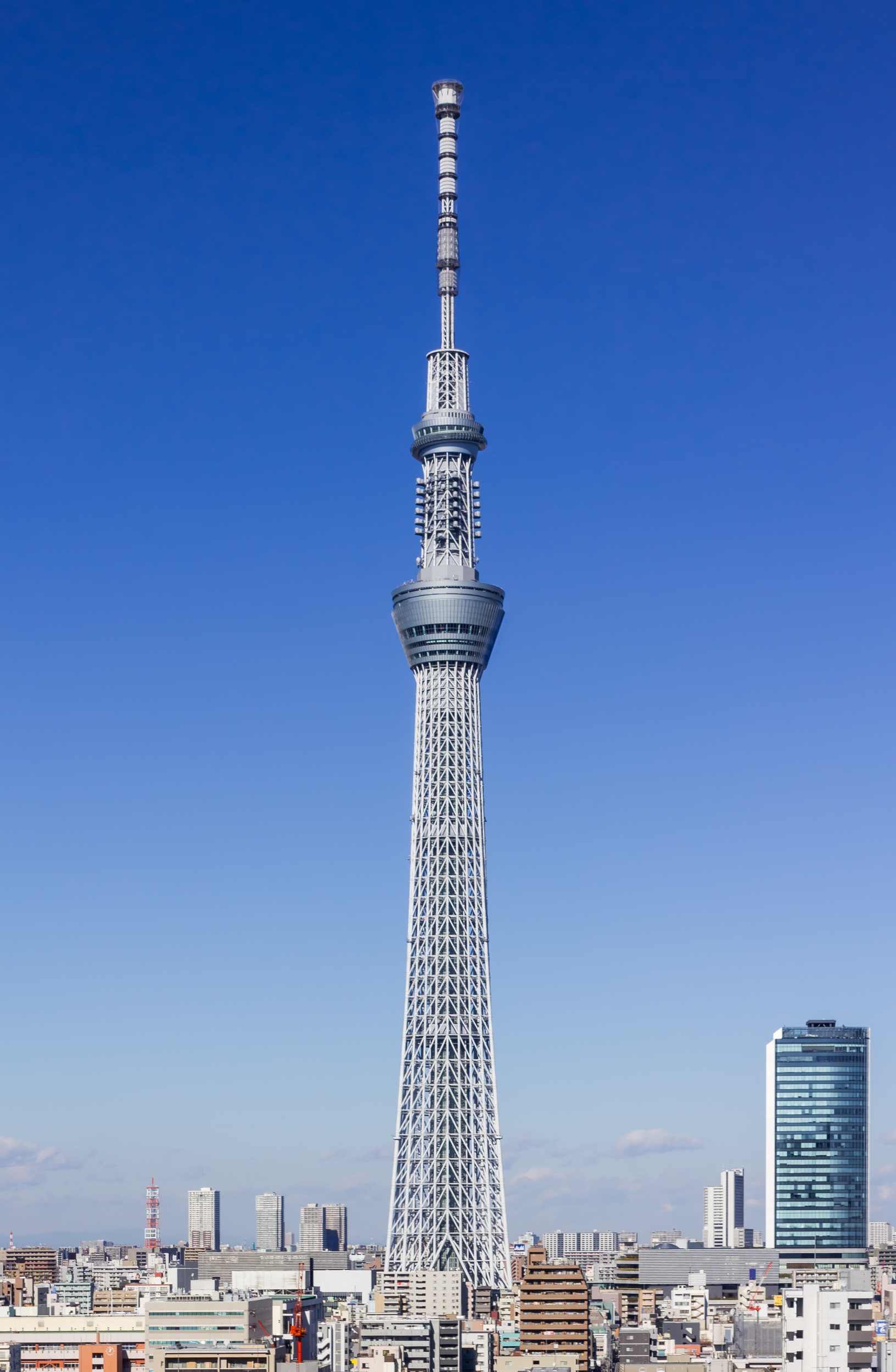
Day 2: Shibuya, Harajuku, and the shrine
- Morning
Begin at the Meiji Shrine, set in a forested park beside Harajuku station. The wide gravel paths under tall torii gates feel a world away from the city noise. The grounds are free, and morning is the calmest time before tour groups arrive.
Meiji Shrine guide
- Afternoon
Walk into Harajuku for Takeshita-dori and its youth fashion, then drift down tree-lined Omotesando. Browsing and people-watching here is the point, with crepe stands and side streets that reward a wander before you head toward Shibuya.
- Evening
End at the Shibuya Scramble Crossing, the huge intersection where waves of people cross from every direction at once. It is free and open at all hours, and best after dark when the surrounding screens and neon light it up. Watch from a cafe above for the full effect.
Shibuya Crossing guide
Day 3: Market mornings and free time
- Morning
Go early to the Tsukiji outer market, a warren of stalls selling seafood, knives, tea, and snacks. Aim for around eight, when the grills are hot and the crowds are still light. Note many of its shops close on Sundays and some Wednesdays, so check the day before.
Tsukiji Outer Market guide
- Afternoon
Use the afternoon for whatever fits your interests. Ginza is a short walk for upscale shopping, the gardens of the old imperial palace are nearby, or you could revisit a district you liked. The train network makes a quick pivot easy.
- Evening
Finish with dinner in a lively neighborhood such as Shinjuku, where the narrow alleys are packed with tiny restaurants and izakaya. It is a fitting last night, loud and bright, before you head out the next day.
Thumbnail photos by Akonnchiroll (CC0), Kakidai (CC BY-SA 3.0), Akonnchiroll (CC BY-SA 4.0), David Kernan (CC BY 4.0), Kakidai (CC BY-SA 4.0), via Wikimedia Commons.
Practical tips
- Get a Suica or Pasmo IC card at the airport or any station. You tap in and out on the JR and Metro lines, which is far simpler than buying single tickets each time.
- Lean on the JR Yamanote loop. It strings together Tokyo, Shibuya, Harajuku, and other key stops, so it is the backbone for moving between the areas in this plan.
- Check market and deck days before you go. Many Tsukiji outer-market shops close on Sundays and some Wednesdays, and Shibuya Sky's rooftop can close in bad weather, so have a backup.
Tokyo itinerary: FAQs
It is enough for a strong first taste: the old temple quarter, the famous crossing and shrine, a tower view, and a market morning. Tokyo is vast, so you will leave plenty unseen, but three focused days avoid feeling rushed.
The trains are very visitor-friendly. Station signs and announcements include English, an IC card like Suica or Pasmo handles fares automatically, and map apps give clear platform directions. Most attractions in this plan are a short walk from a station.
Several of the best are free, including Senso-ji and the grounds of Meiji Shrine, and the Shibuya crossing itself costs nothing. The paid extras are mainly the observation decks, such as the Tokyo Skytree, which use timed tickets.
Plan the rest of your trip
Explore more in Tokyo
Plan your trip
- Best time to visit Tokyo
- Day trips from Tokyo
- Free Things to Do in Tokyo You Won't Feel Cheated By
- Tokyo with Kids: Robots, Trains, and Quiet Wins
- Tokyo After Dark: Where to Go at Night
- Tokyo When It Rains: Indoor Plans That Don't Feel Like Settling
- Tokyo Skytree vs Shibuya Sky: Which Tokyo View Is Worth It?
Where to next?
One short email, twice a month: handpicked experiences, hidden-gem cities, and the best windows to book them.