 Klemio
Power plugs and voltage by country: what adapter you need
Two separate things decide whether your charger works abroad: the plug shape (does it physically fit the socket?) and the voltage (can the device handle the local current?). Most of the confusion comes from treating them as one problem. A plug adapter only changes the shape. A voltage converter actually changes the electricity.
The good news: almost every phone, tablet, laptop and camera charger made in the last decade is "dual voltage" (it reads 100-240V on the label), so anywhere in this guide you only need a cheap plug adapter, not a converter. The things that still catch people out are high-wattage heat appliances, mainly hair dryers, straighteners and travel kettles, which often run on a single voltage and can fail or overheat on the wrong supply.

| Country | Sockets | Voltage | At a glance |
|---|---|---|---|
| United States | Type A and B | 120V, 60Hz | Type A/B · 120V |
| United Kingdom | Type G | 230V, 50Hz | Type G · 230V |
| Ireland | Type G | 230V, 50Hz | Type G · 230V |
| France | Type C and E | 230V, 50Hz | Type C/E · 230V |
| Spain | Type C and F | 230V, 50Hz | Type C/F · 230V |
| Portugal | Type C and F | 230V, 50Hz | Type C/F · 230V |
| Italy | Type C, F and L | 230V, 50Hz | Type C/F/L · 230V |
| Germany | Type C and F | 230V, 50Hz | Type C/F · 230V |
| Austria | Type C and F | 230V, 50Hz | Type C/F · 230V |
| Netherlands | Type C and F | 230V, 50Hz | Type C/F · 230V |
| Czech Republic | Type C and E | 230V, 50Hz | Type C/E · 230V |
| Hungary | Type C and F | 230V, 50Hz | Type C/F · 230V |
| Greece | Type C and F | 230V, 50Hz | Type C/F · 230V |
| Turkey | Type C and F | 230V, 50Hz | Type C/F · 230V |
| United Arab Emirates | Type G (mainly) | 230V, 50Hz | Type G · 230V |
| Japan | Type A and B | 100V, 50/60Hz | Type A/B · 100V |
Continental Europe · UK-style (Type G) · North American · Japan (100V)
Adapter or converter?
An adapter only changes the plug shape. A converter changes the voltage. Check the label on each device: if it reads 100-240V it is dual voltage and needs only an adapter, which covers virtually all phone, laptop and camera chargers. Save the converter for single-voltage heat appliances like hair dryers and straighteners, or just use the hotel’s.

United States Type A/B · 120V
Flat two-pin (Type A) and the same with a round earth pin (Type B).
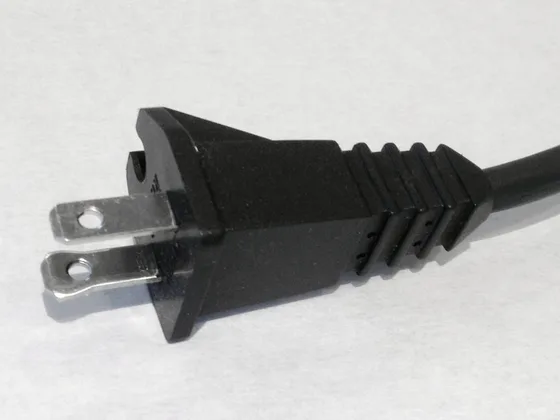
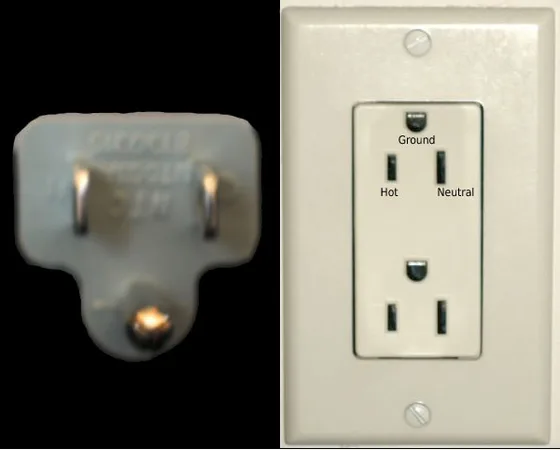
The US uses the flat-bladed Type A and B plugs at 120V. If you are coming from Europe, the UK or anywhere on 230V, you need a US plug adapter, and you also have to check voltage: a 230V-only hair dryer or curling iron will run feebly or not at all, and the reverse (a US 120V appliance in Europe) can burn out.
Your dual-voltage gadget chargers are fine with just the physical adapter. Many US hotels also have USB sockets built into lamps and nightstands, which sidesteps the plug entirely for phones.
Worth knowing: The US is one of the few places in this guide on the lower 120V supply, so the voltage check matters more here than almost anywhere.
Source: WorldStandards: plugs & voltage by country
Explore United States
United Kingdom Type G · 230V
The big three rectangular pins (Type G), with a fuse in the plug.
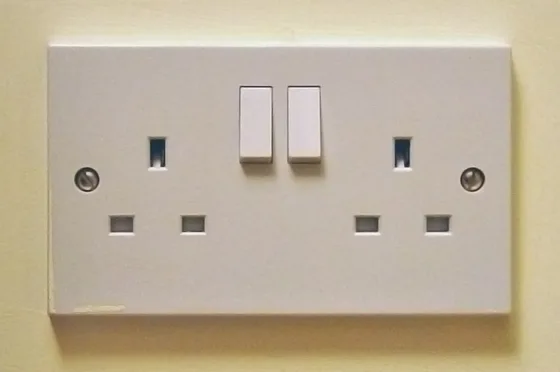
Britain uses its own chunky three-pin Type G plug at 230V. It is different from the Continental European socket, so a single "Europe" adapter will not cover both a UK trip and a France trip: you need the UK-specific shape.
Voltage is the standard 230V, so anything that works in mainland Europe works here electrically once the plug fits. Modern hotels increasingly add USB-A and USB-C ports beside the bed, handy because UK adapters are bulky.
Worth knowing: UK plugs are fused and physically large. Pack a proper Type G adapter rather than relying on a flimsy universal one, which can sit loose in the deep British socket.
Source: WorldStandards: plugs & voltage by country
Explore United Kingdom
Ireland Type G · 230V
The same three rectangular pins as Britain (Type G).
Ireland uses the British-style Type G plug at 230V, so a UK adapter works in both countries. If you are hopping between Dublin and London, one Type G adapter covers the whole trip.
Coming from mainland Europe, your Continental two-pin plugs will not fit, so bring a Type G adapter even though the voltage is identical.
Worth knowing: Do not assume your "EU adapter" works here. Ireland is on the British plug, not the Continental one.
Source: WorldStandards: plugs & voltage by country
Explore Ireland
France Type C/E · 230V
Round two-pin (Type C) and the French earthed socket with a protruding pin (Type E).
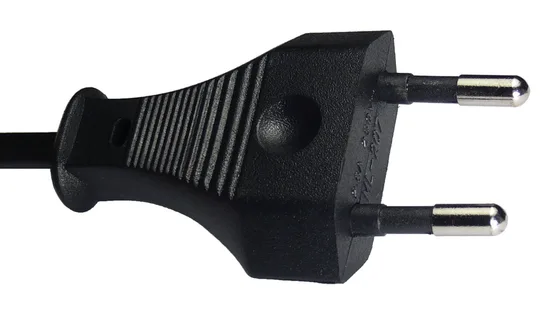
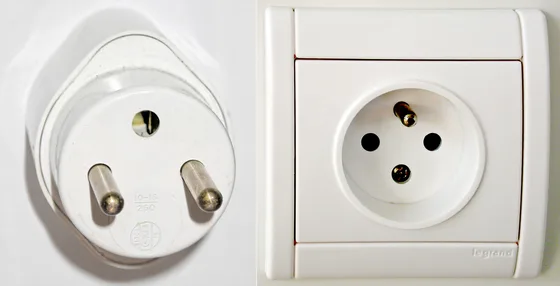
France uses Type C and the French Type E socket, which has a male earth pin sticking out of the wall. A standard Continental "Europe" adapter handles both, as does the common C/E/F universal travel plug.
Voltage is 230V across the country, so your dual-voltage chargers just need the shape sorted. The same adapter will serve you across most of mainland Europe.
Worth knowing: A flat Type C "europlug" fits, but for earthed appliances look for the slot that accepts the Type E earth pin.
Source: WorldStandards: plugs & voltage by country
Explore France
Spain Type C/F · 230V
Round two-pin (Type C) and the earthed Schuko socket (Type F).
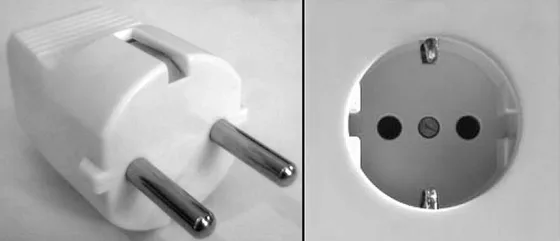
Spain runs on the standard Continental Type C and F sockets at 230V. One Europe adapter covers Spain, and the same one works in most neighbouring countries.
Nothing unusual on voltage: dual-voltage electronics are fine with just the plug adapter.
Worth knowing: The Type F "Schuko" socket is recessed with side earth clips, so a slim europlug sits a little loose but still works.
Source: WorldStandards: plugs & voltage by country
Explore Spain
Portugal Type C/F · 230V
Round two-pin (Type C) and the earthed Schuko socket (Type F).
Portugal uses the same Type C and F sockets as Spain and most of the Continent, at 230V. A single Europe adapter does the whole Iberian trip.
Voltage is standard, so chargers and laptops only need the physical adapter.
Worth knowing: Same sockets as Spain, so one adapter covers a Lisbon-plus-Madrid itinerary.
Source: WorldStandards: plugs & voltage by country
Explore Portugal
Italy Type C/F/L · 230V
Round two-pin (Type C), Schuko (Type F) and the Italian three-in-a-line (Type L).
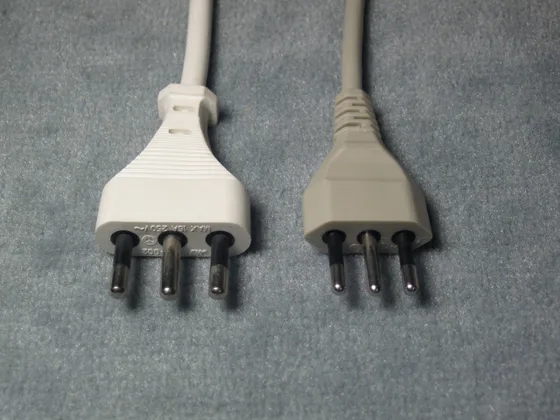
Italy is the awkward one. Alongside the usual Type C and F, you will meet the Italian Type L socket, which has three round pins in a row. Many newer sockets are hybrids that also take C and F, but plenty of older buildings have Type L only.
Voltage is the standard 230V. A universal travel adapter, or one that specifically lists Type L, is the safe bet so you are not caught out in an older hotel or apartment.
Worth knowing: A plain Europe adapter may not seat in an older Type L socket. Carry a universal one for Italy.
Source: WorldStandards: plugs & voltage by country
Explore Italy
Germany Type C/F · 230V
Round two-pin (Type C) and the earthed Schuko socket (Type F).
Germany is firmly on the Continental Type C and F standard at 230V, the same Schuko socket used across much of central Europe.
No voltage surprises: a Europe adapter and your dual-voltage chargers are all you need.
Worth knowing: The Schuko socket is the de facto standard for a big swathe of Europe, so a German adapter travels well.
Source: WorldStandards: plugs & voltage by country
Explore Germany
Austria Type C/F · 230V
Round two-pin (Type C) and the earthed Schuko socket (Type F).
Austria uses the same Type C and F Schuko sockets as Germany, at 230V. One Continental adapter covers both countries.
Voltage is standard, so only the plug shape matters for your chargers.
Worth knowing: Identical to Germany, so a single adapter spans an Austria-and-Germany trip.
Source: WorldStandards: plugs & voltage by country
Explore Austria
Netherlands Type C/F · 230V
Round two-pin (Type C) and the earthed Schuko socket (Type F).
The Netherlands runs on the Continental Type C and F sockets at 230V, so a standard Europe adapter is all you need.
Dual-voltage chargers work fine once the plug fits. No converter required.
Worth knowing: Same Schuko standard as Germany and most of the Continent.
Source: WorldStandards: plugs & voltage by country
Explore Netherlands
Czech Republic Type C/E · 230V
Round two-pin (Type C) and the earthed socket with a protruding pin (Type E).
Czechia uses Type C and the Type E socket (the one with a male earth pin in the wall, as in France), at 230V. A standard Europe or C/E/F adapter covers it.
Voltage is the usual 230V, so chargers only need the plug adapter.
Worth knowing: Same earthed Type E socket as France, so a France adapter works in Prague.
Source: WorldStandards: plugs & voltage by country
Explore Czech Republic
Hungary Type C/F · 230V
Round two-pin (Type C) and the earthed Schuko socket (Type F).
Hungary is on the Continental Type C and F standard at 230V, the same sockets as Germany and Austria.
No voltage issues for dual-voltage electronics; just bring a Europe adapter.
Worth knowing: Standard Schuko, so a Continental adapter covers Budapest.
Source: WorldStandards: plugs & voltage by country
Explore Hungary
Greece Type C/F · 230V
Round two-pin (Type C) and the earthed Schuko socket (Type F).
Greece uses the Continental Type C and F sockets at 230V, including on the islands. A single Europe adapter covers the mainland and the islands alike.
Voltage is standard, so your chargers need only the plug adapter.
Worth knowing: Older island guesthouses can have sparse or loose sockets, so a multi-port adapter with USB earns its place.
Source: WorldStandards: plugs & voltage by country
Explore Greece
Turkey Type C/F · 230V
Round two-pin (Type C) and the earthed Schuko socket (Type F).
Turkey uses the Continental Type C and F sockets at 230V, the same as much of Europe, so a standard Europe adapter works in Istanbul and along the coast.
Voltage is the usual 230V; dual-voltage chargers only need the plug adapter.
Worth knowing: Same Continental plug as Greece and Germany, so one adapter covers a Turkey-and-Greece trip.
Source: WorldStandards: plugs & voltage by country
Explore Turkey
United Arab Emirates Type G · 230V
Mostly the British three-pin (Type G), with some Type C and D in older buildings.
The UAE largely follows the British standard, so the Type G three-pin plug at 230V is the norm in Dubai and Abu Dhabi hotels. A UK adapter is the one to pack. You may occasionally meet Type C or D sockets in older buildings.
Voltage is the standard 230V, so anything that works in the UK or Europe is fine electrically once the plug fits.
Worth knowing: Bring a UK-style Type G adapter, not a Continental one, even though plenty of guests arrive from mainland Europe.
Source: WorldStandards: plugs & voltage by country
Explore United Arab Emirates
Japan Type A/B · 100V
The flat two-pin (Type A) and the same with a round earth pin (Type B), as in North America.
Japan uses the flat North American Type A and B plugs, but at an unusually low 100V. A US two-prong (Type A) charger usually fits straight in; a US three-prong (Type B) sometimes needs a simple 3-to-2 adapter, since grounded outlets are not universal. Dual-voltage gadgets are fine. From Europe or the UK you need a US-style adapter, since the Continental and British plugs do not fit.
The quirk is frequency: eastern Japan including Tokyo runs at 50Hz, western Japan including Osaka and Kyoto at 60Hz. It does not affect phones and laptops, but some clocks and motors are sensitive.
Worth knowing: At 100V, high-wattage appliances run a little weak, and a few single-voltage European devices may underperform even with the right plug.
Source: WorldStandards: plugs & voltage by country
Explore JapanPlugs and power: quick answers
A plug adapter only changes the shape so your plug fits the foreign socket. A voltage converter actually changes the electricity, from 230V down to 120V or vice versa. Most travelers only need an adapter, because modern chargers are dual voltage and handle both. You only need a converter for single-voltage appliances like some hair dryers.
Almost never. Check the small print on the charger: if it reads "100-240V" it is dual voltage and works anywhere in this guide with just a plug adapter. Phone, tablet, laptop and camera chargers are nearly always dual voltage.
For mainland Europe, mostly yes: a Continental Type C/E/F adapter covers France, Spain, Italy, Germany and most neighbours, all on 230V. But the UK and Ireland use the different Type G plug, so you need a separate UK adapter for those, and Italy sometimes needs a Type L fitting.
US chargers that are dual voltage (100-240V) work with just a plug adapter. But a US appliance built only for 120V, like many hair dryers, can be damaged on Europe’s 230V supply, so for heat appliances either buy a dual-voltage travel version or use the hotel’s.
Increasingly the easiest answer. Many hotels now build USB-A and USB-C ports into lamps and nightstands, which skips the plug question entirely for phones and small devices. A compact adapter with its own USB ports is a good backup.
Plug types, voltage and frequency are cross-checked against WorldStandards, the widely cited IEC-aligned reference, linked under each country. Sockets and supply rarely change, but individual hotels vary and older buildings can keep legacy fittings, so treat this as the country norm and pack a universal adapter if in doubt. Last updated June 12, 2026.
Photo credits
Photos: ArnoldReinhold, Eric Naeseth, Looxix, Etienne Rastoul, Hic et nunc, Marco Gilardetti (CC BY-SA 3.0) via Wikimedia Commons; Léonard Cotte, Patrick Tomasso, Benjamin Davies, Gregory DALLEAU, Logan Armstrong, Aayush Gupta, David Köhler, Florian Wehde, Jacek Dylag, Adrien Olichon, Ouael Ben Salah, Ervin Lukacs, Constantinos Kollias, Anna Berdnik, David Rodrigo, Su San Lee on Unsplash.